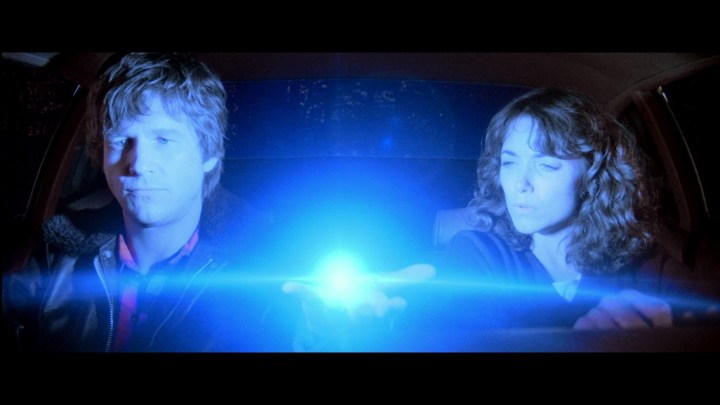
Fourteen years before Jeff Bridges grew a beard and became The Big Lebowski, he was nominated for an Oscar as Best Actor for his role in the movie ‘Starman’. In the movie, an alien spaceship crashes in Wisconsin and the entity uses a strand of hair to clone himself as the recently deceased husband of Jenny Hayden. Jenny eventually befriends Starman and takes him on a road trip along Route 66 to rendezvous with his alien colleagues at Barringer Crater located between Winslow and Flagstaff, Arizona. All the while Bridge’s character, Scott Hayden is hunted by U.S. government agencies and the military. Starman was a movie that I enjoyed over the years, so when I saw the signs for ‘Meteor Crater’ along I-40 I thought it would be a great place to stop.
Barringer Crater Company, a family-owned business is designated as a national landmark but despite its importance to the scientific community, it is not protected as a national monument which requires federal ownership. The business has been run over the years by three generations of Barringer women.
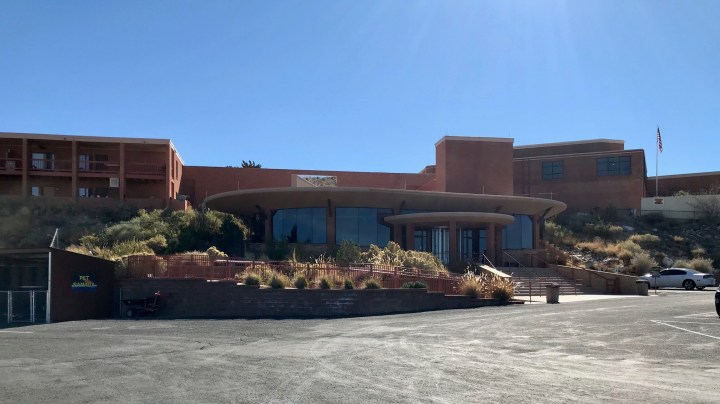
The first thing one sees after driving several miles off of the interstate is the Welcome Center, a Frank Lloyd Wright inspired structure designed to withstand the high winds that pummel the area. If you look closely at the photo above you’ll see a ‘Pet Ramada’ on the far left. It gets really hot in the summertime so pet owners are encouraged to kennel their pets rather than leave them in hot cars. The kennels are clean and the pets can even roam outside the structure.
My wife DiAnne and I parked our motorhome in a lot specifically designed for RVs and long trucks. We entered the building, paid $16 apiece (senior discount) and made our way to the second floor where a one-hour guided tour was about to leave toward the crater.
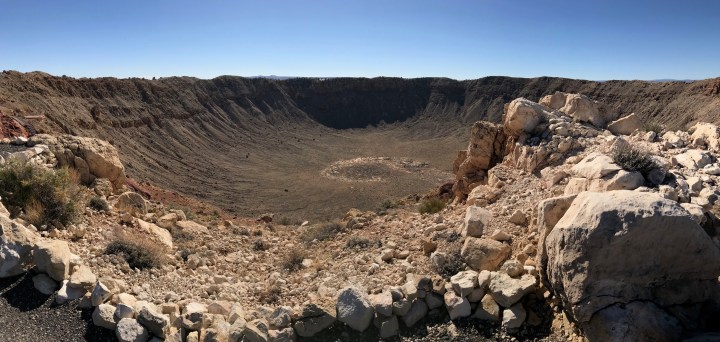
The crater is breathtakingly beautiful and the tour guide explained in great detail about how the meteor came in from a southeastern trajectory and blew this gigantic hole in the earth some 50,000 years ago. The guide had great knowledge of the various rock layers and explained what scientists believe happened immediately after the impact.
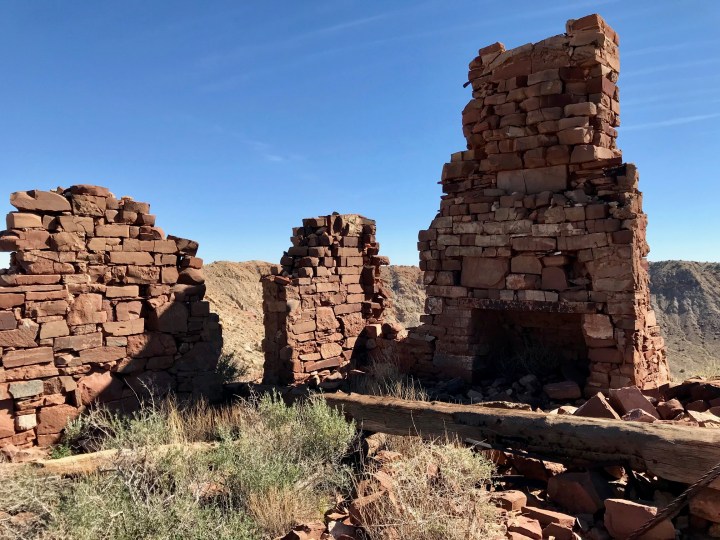
A bit further along the tour are the remains of the first building on the site. This is where the first Barringer woman charged 25-cents to tourists who made there way across the road-less desert. She later had a road constructed to create easier access for the many tourists that flocked to the site after several newspapers and magazines published articles about the meteor crater. Apparently high winds in the area blew the roof off the original structure and the rest of the building eventually crumbled.
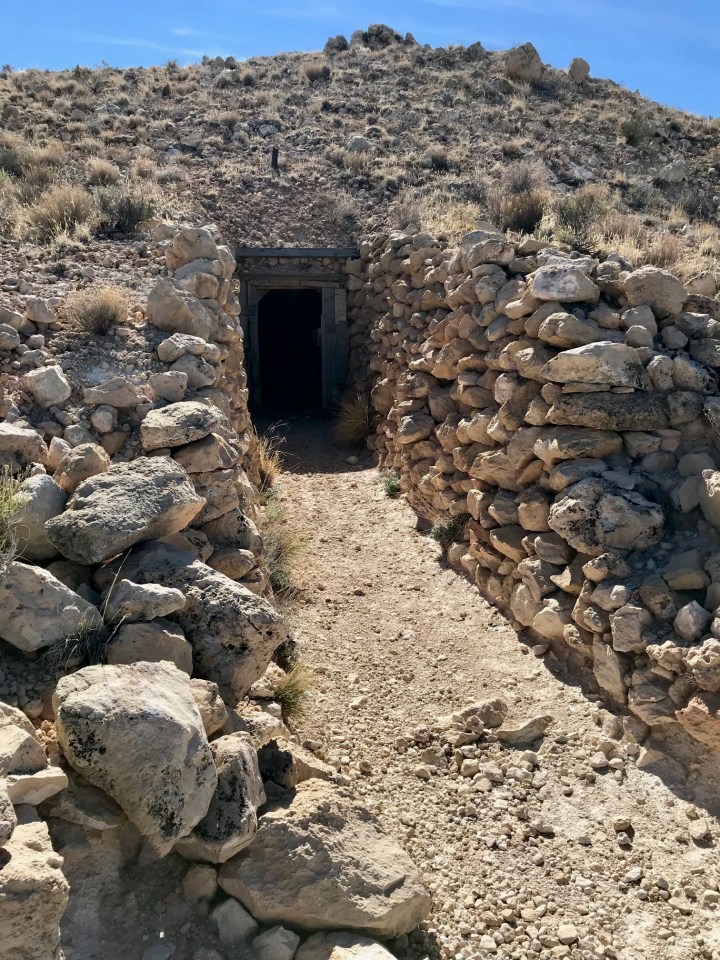
The Barringer family were silver miners and originally bought the land that the crater sat on for its mineral potential. Some mining was done both at the crater’s base and the surrounding area before the family realized the significance of the crater as a scientific find and began preservation efforts. The photo above shows the entrance to a cave where dynamite was stored. It turned out that the meteorites in the debris field northwest of the crater were more valuable than silver.
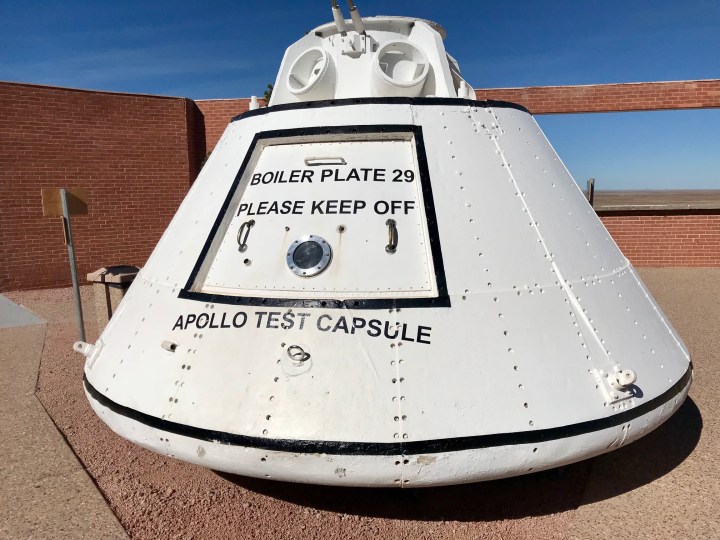
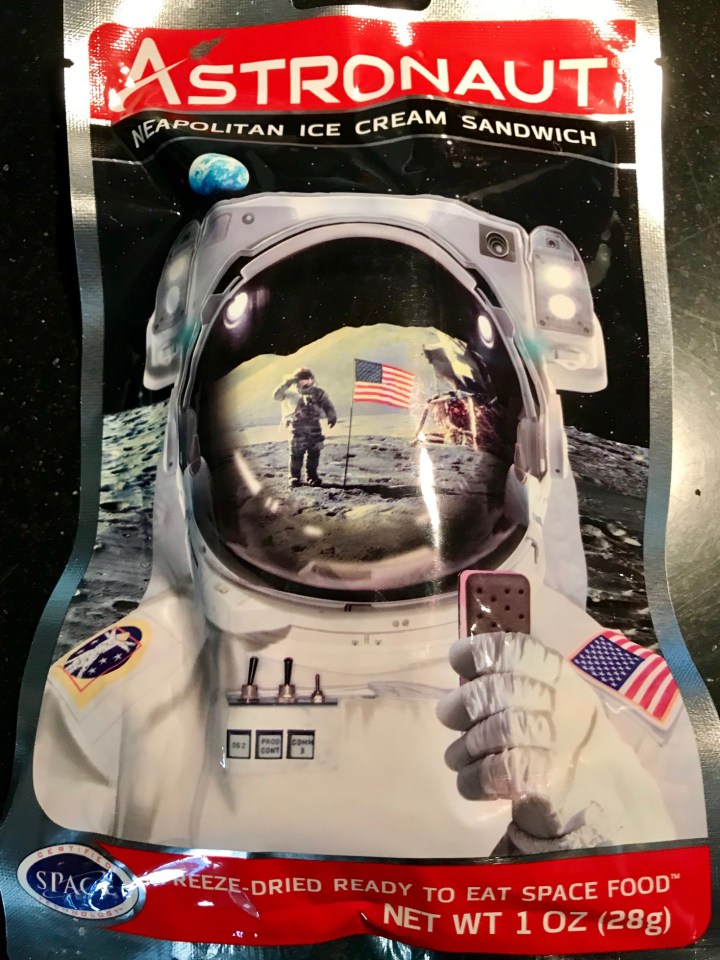
An interesting side note is that in the 1960s the crater was used as a training site for Apollo Astronauts who would eventually land on the moon. The astronaut training is well-documented in the museum. The gift shop has many astronaut trinkets for sale, too.
This was a fun place to stop on a day where there was only three hours of drive time planned. I was drawn to the site because of its connection to the Starman movie, but ended up learning a lot of history and the science of a meteor impact. The tour guide informed us that 1984’s Starman was the last movie allowed to film in the crater. Seems the thousand or so extras dressed as military personal for the final scene caused quite a bit of damage. These days only approved scientific research teams are allowed to go down to the impact site.
 Retirement & Life