It’s Been a While

Photo by Jamie Carlson

It’s been over a month since I’ve last published something. Since my last post, I purchased a 6-acre parcel of land close to the Saguaro National Park and have been engaged in clearing trees and carving out a place for my home; a 2012 Itasca SunCruiser.

This morning I got up and decided to write; but not about travel. I had a jumble of thoughts swirling around in my gray matter and tried to corral them into a ‘Top 10 List’ of sorts.

10 Things I’m Certain Of

  1. Neither the Democratic nor Republican Party gives a crap about what’s best for this country. If they did, they would certainly stop deficit spending first.
  2. Facebook posts that ask you to repost or copy/paste something to your wall should NEVER be reposted. 
  3. Labels like ‘racist’, ‘homophobe’, ‘nazi’ and ‘sexist’ have been thrown about so often that they’re no longer effective. Now we’re going to have to invent more hideous words in order to make a point. 
  4. Your chances of earning a decent living increase dramatically with a college education or training in some skilled craft. Natural born sales-people are the only exception I can think of to this statement.
  5. Television ‘news’ wants you to be emotionally attached to political drama to keep you sucked in and coming back for more. They will say or do anything to keep you tuned in and believing in their nonsense. News today is nothing like it was years ago when reporters reported and left the thinking and judgement to the viewer. Your mental health will improve when you turn the news off. 
  6. One’s perspective of the world changes dramatically when you travel and interact with people who are not like you. 
  7. Following your dreams means setting realistic, intermediate goals to take you from where you are at this point, to where you want to be. Dreams without a plan seldom materialize. 
  8. The traits we tend to dislike in others are usually the traits we do not like about ourselves.
  9. Like that old song, we always hurt the ones we love. Intimacy, because it stirs up old feelings of hurt, loss, anger or rejection is risky and takes effort to attain.
  10. You’ll be a lot happier if you stop worrying about what others think of you. Do what’s right, not what will make others happy.

The bonus thought is: Take all advice (even mine) with a grain of salt. I’m going to try to write more soon, but for now I send peace, love and wishes for a fantastic 2019 from my home in the Sonoran Desert.

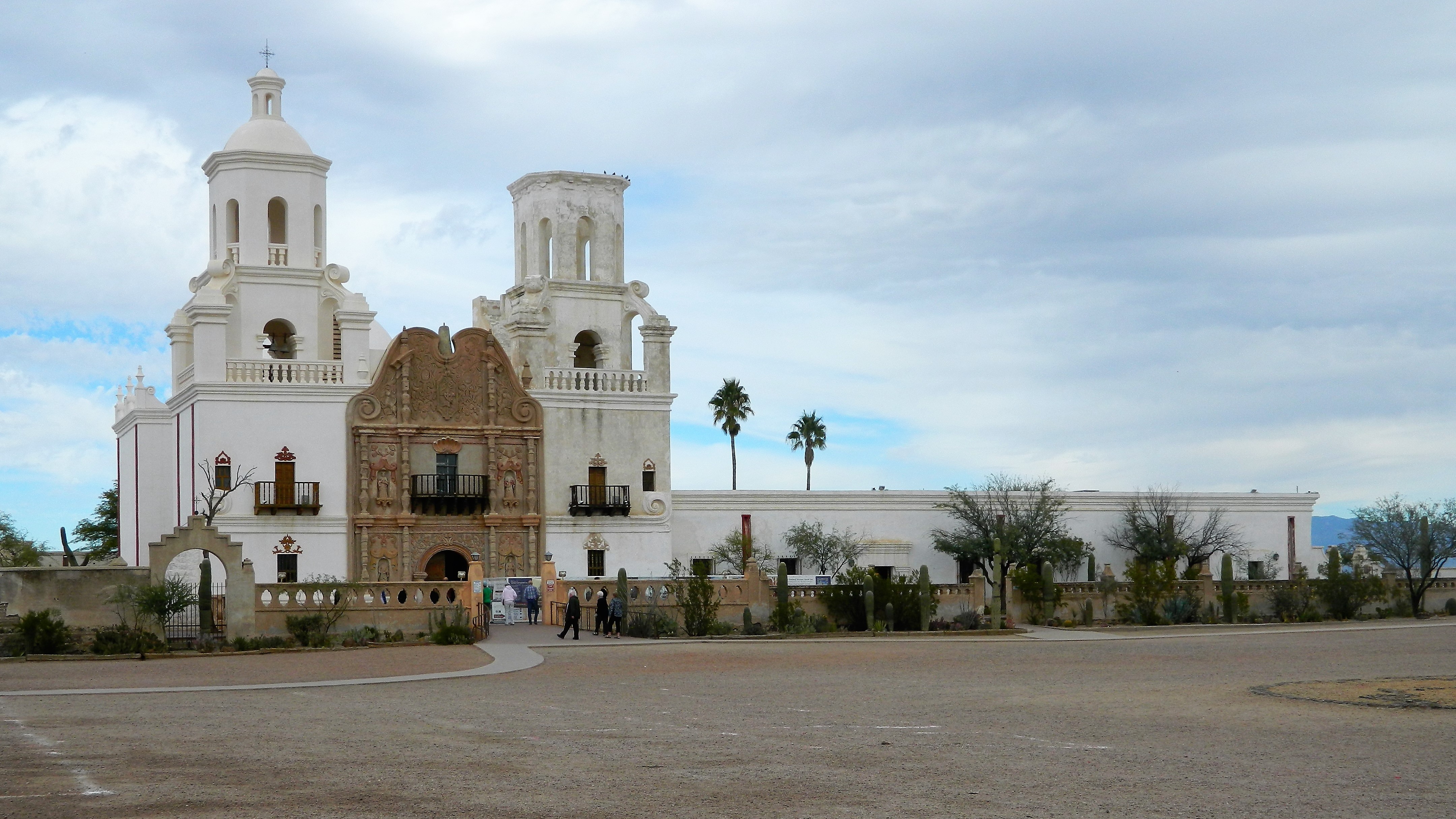
Mission San Xavier

Mission San Xavier is also known as the White Dove of the Desert.

The Mission San Xavier just Southwest of Tucson, Arizona was originally founded in 1692 by Father Kino, a Jesuit Priest. Construction on the current structure (pictured above) was started in 1783 by a Franciscan Priest, Father Velderrain and went on for 14 years until there was no longer money to continue. While the master-craftsmen working on the project had to be  discharged, the parishioners continued to work on the structure themselves salvaging materials from the original mission churches near the site. Notice the top of the East Tower just to the right of the main entrance. While there are many legends explaining why the tower does not have a top (cyclone, worker falling to his death, etc.) the fact is that after the craftsmen were let go, the local parishioners lacked the skills needed for the more complex parts of the project; the whole church remains unfinished. There are even some murals inside the sanctuary that were drawn but never painted.

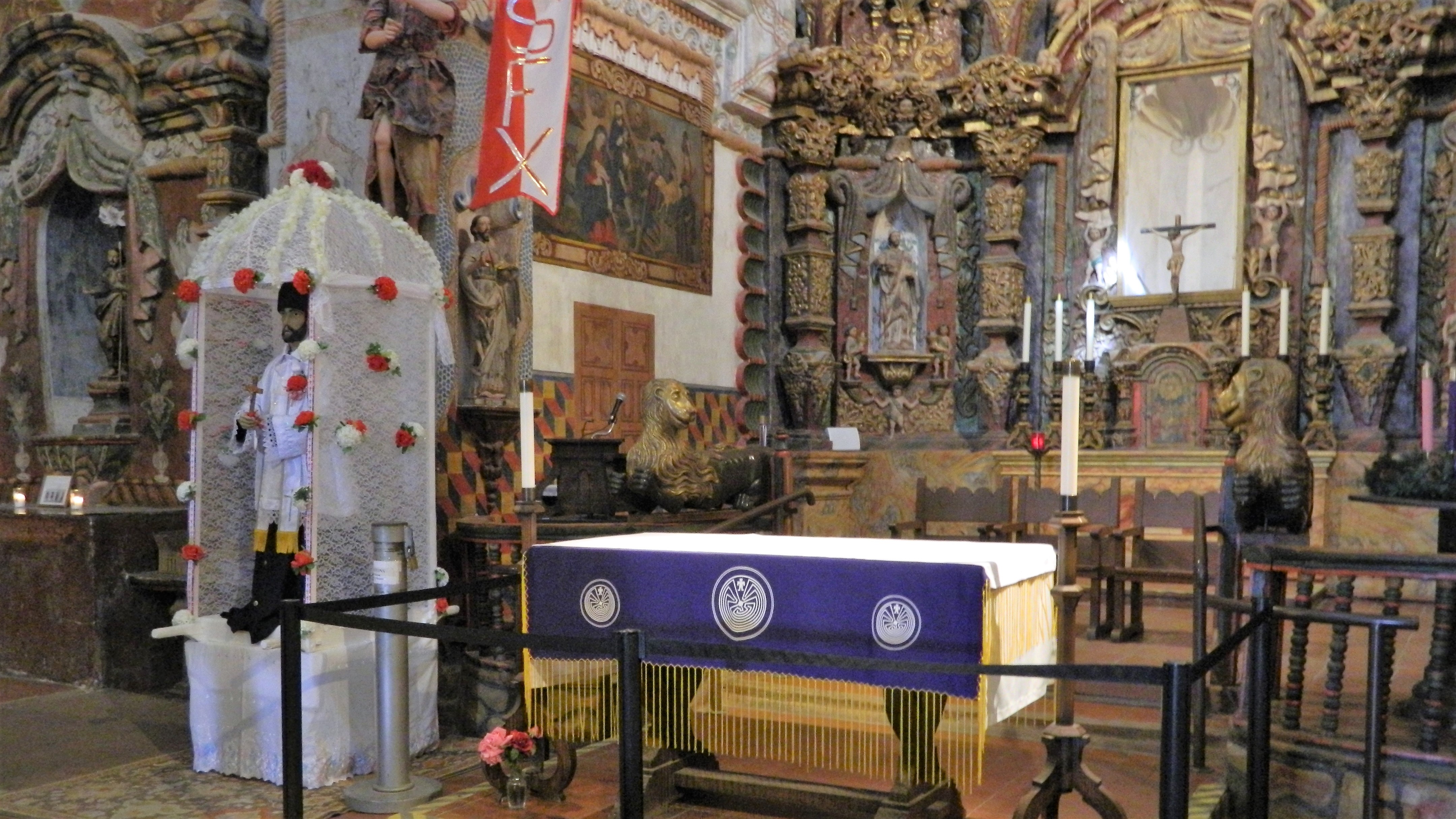
San Xavier remains true to it’s original mission of ministering to the religious needs of its parishioners. The parish priest holds a mass daily with 3 services on Sunday. The Mission is the oldest, intact European structure in the state of Arizona. The sanctuary’s interior is filled with 18th century statues and mural paintings. 

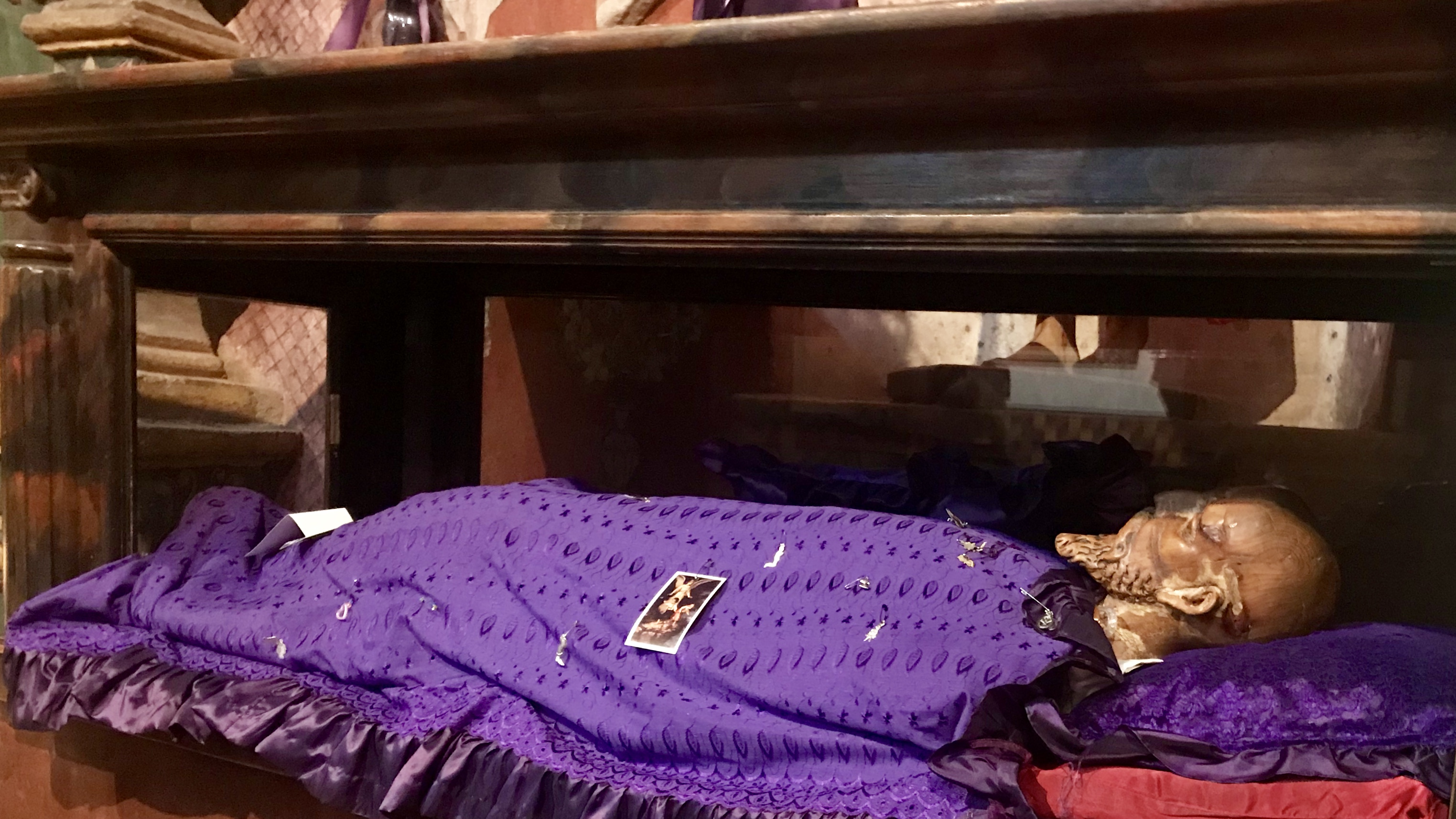
Who’s the mummy?

The interior of the church forms a cross (European classic cruciform) with a main sanctuary as well as East and West Transepts (chapels). The East Transept contains a baptismal font while the West Transept contains what appears to be a mummified body. It is not. Back in 1849, Apache raids forced parishioners of Tumacacori Mission near Nogales to move to the better-protected San Xavier Mission. They brought with them a statue of the crucified Christ (minus his legs which were lost in transport). In the 1890s the statue was displayed in the West Transept as the entombed Christ. During World War I, the statue was modified to resemble St. Francis Xavier and placed in a glass case. Many people over the years claim that their prayers here have been answered through the intersession of Saint Francis. Believers come to the statue daily with needs, requests and thanks for their answered prayers. 

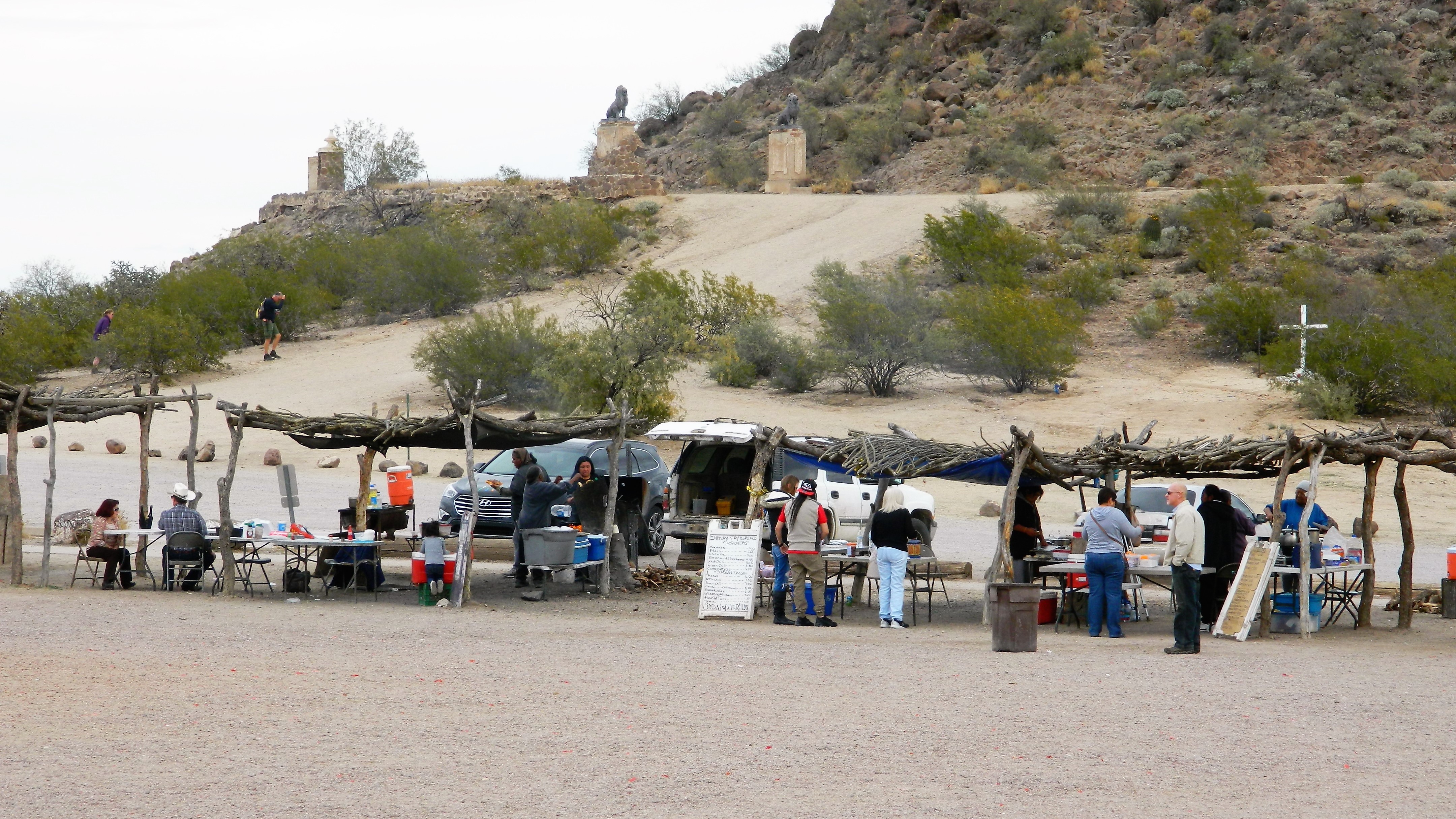
Native American Vendors

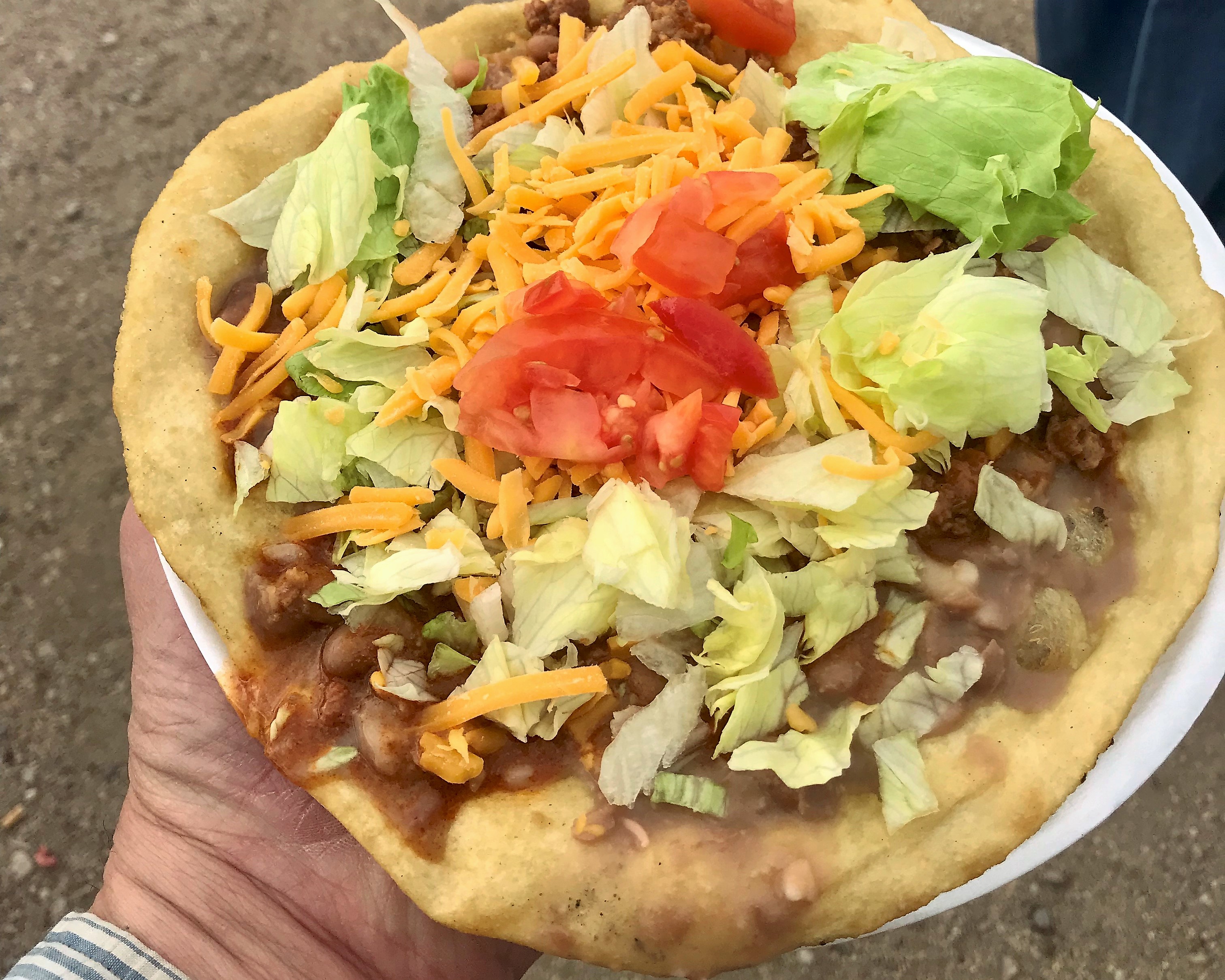
After visiting the Mission and purchasing several items at the gift shop it was time for lunch. Native American vendors had small booths set up nearby that sold mostly food and some handmade jewelry. It seems like everyone offered some sort of Fry Bread lunch special. Touring buddies Roy and Pam Wright had been here before and guided my wife, DiAnne and me to the booth operated by the Havier Family. 


Red chili beef and bean ‘Indian Taco’. $7.00 well spent!

 When you’re visiting the Tucson area be certain to stop at Mission San Xavier and be prepared to be transported to another era. The construction of this mission occurred during a time when this piece of North America was a part of Spanish-ruled Mexico. There is no charge for the tour but donations are appreciated. Sales at the gift store help benefit the mission. Church hours and Mass schedule can be found at www.sanxaviermission.org. 

Heirloom Farmers Market

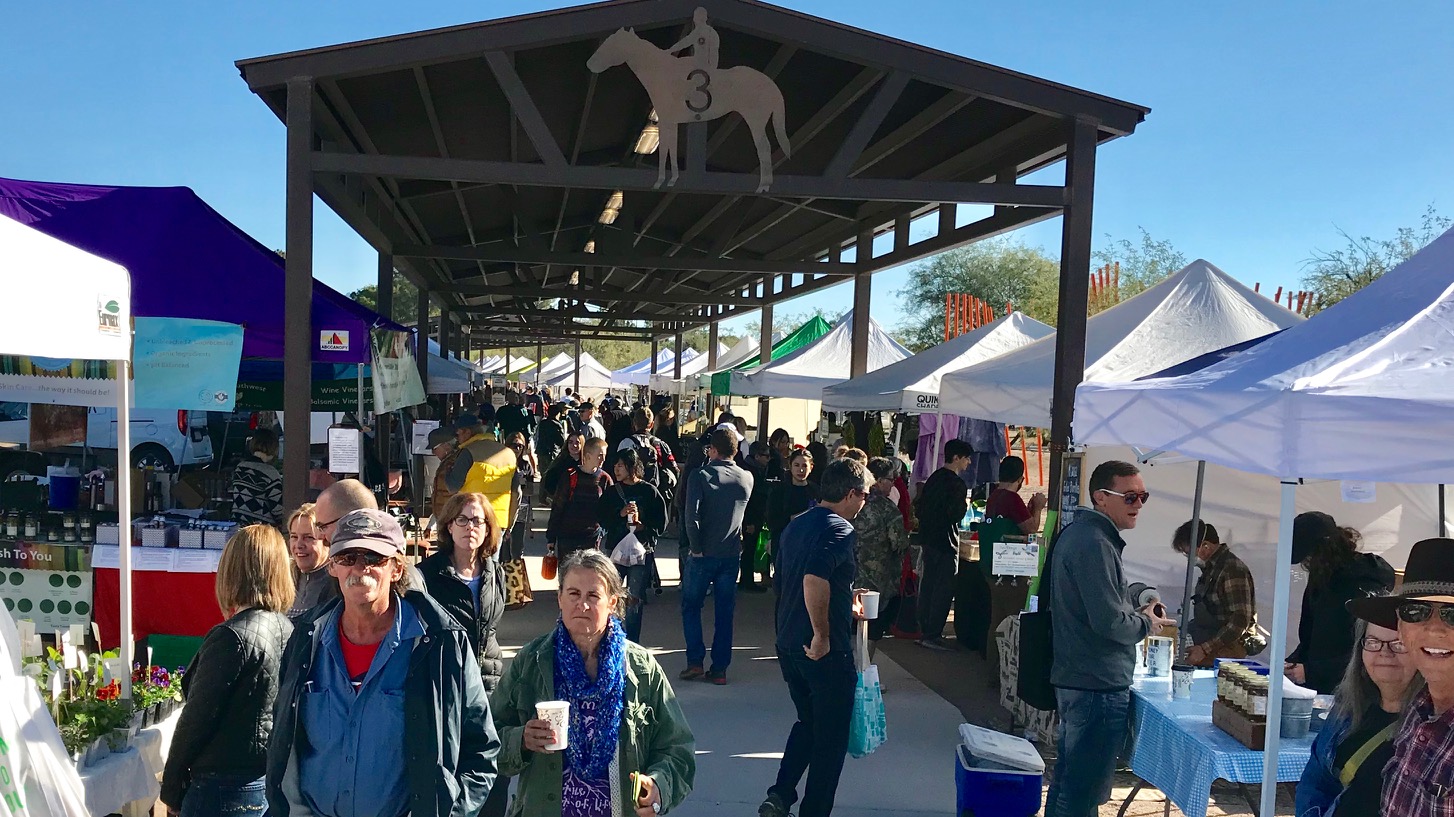
Farmers Market, Rillito Regional Park

On a 54 degree Arizona Sunday morning I had the opportunity to visit the Heirloom Farmers Market on the north side of Tucson in Rillito Regional Park. This farmers market runs year-round and features about 80 vendors selling a variety of produce, food, crafts and services.

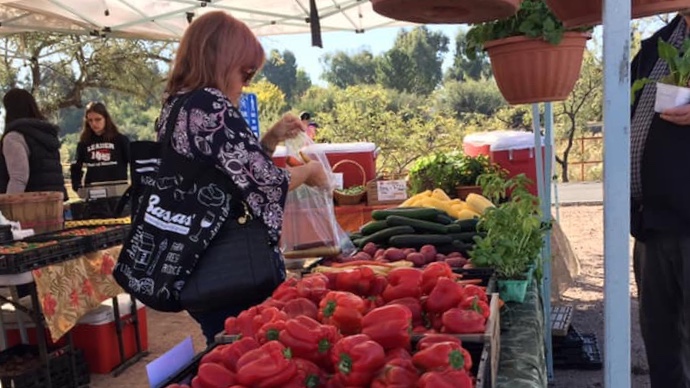
Fresh Produce

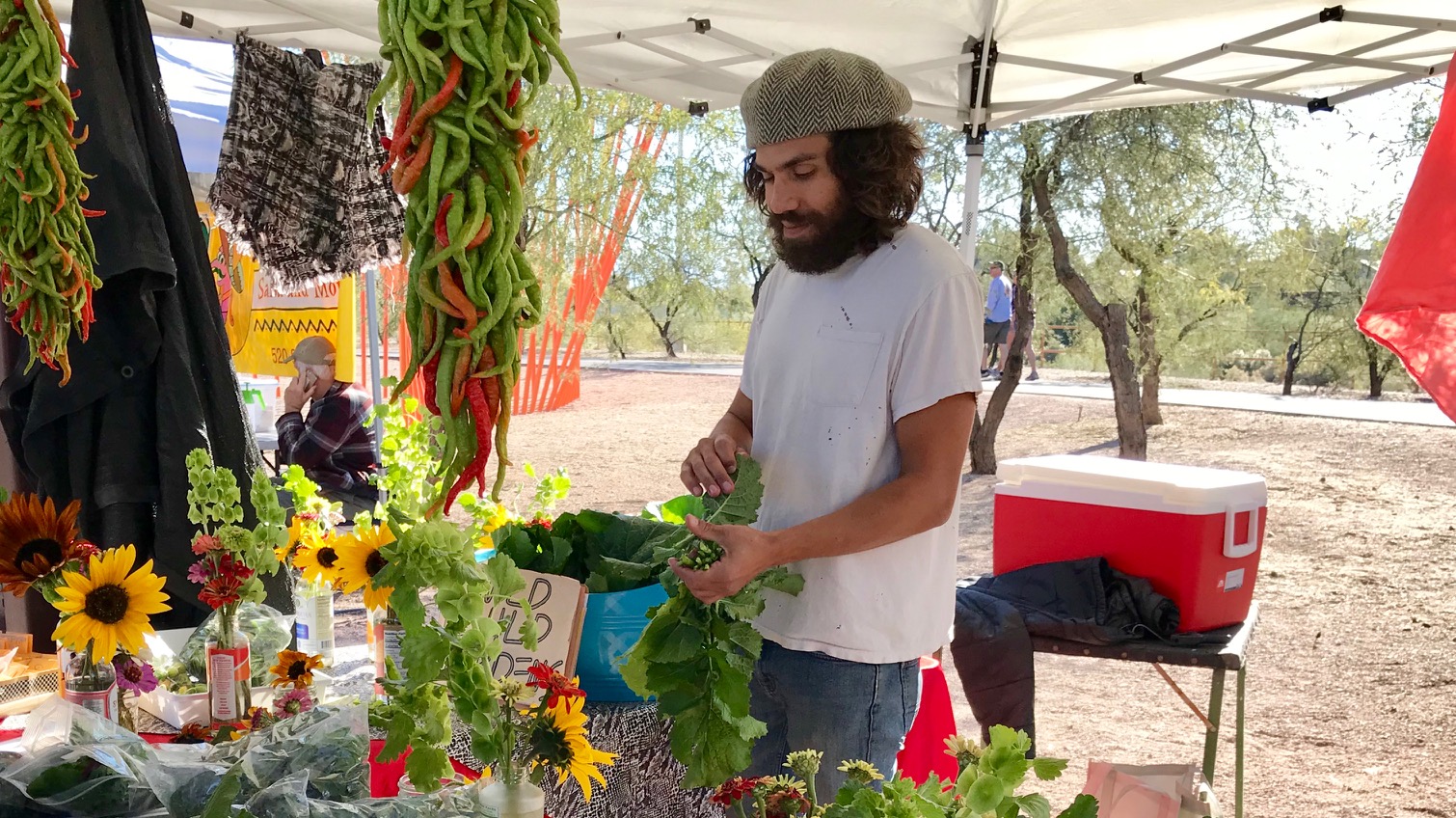
As with most farmers markets there is a mixture of locally grown produce as well as goods that have been shipped in from another region.  Keep in mind that the locally grown produce was probably picked within the last 48 hours and will most likely be fresher. Most of these vendors welcome conversation so just check with them to be certain of the source of the produce.

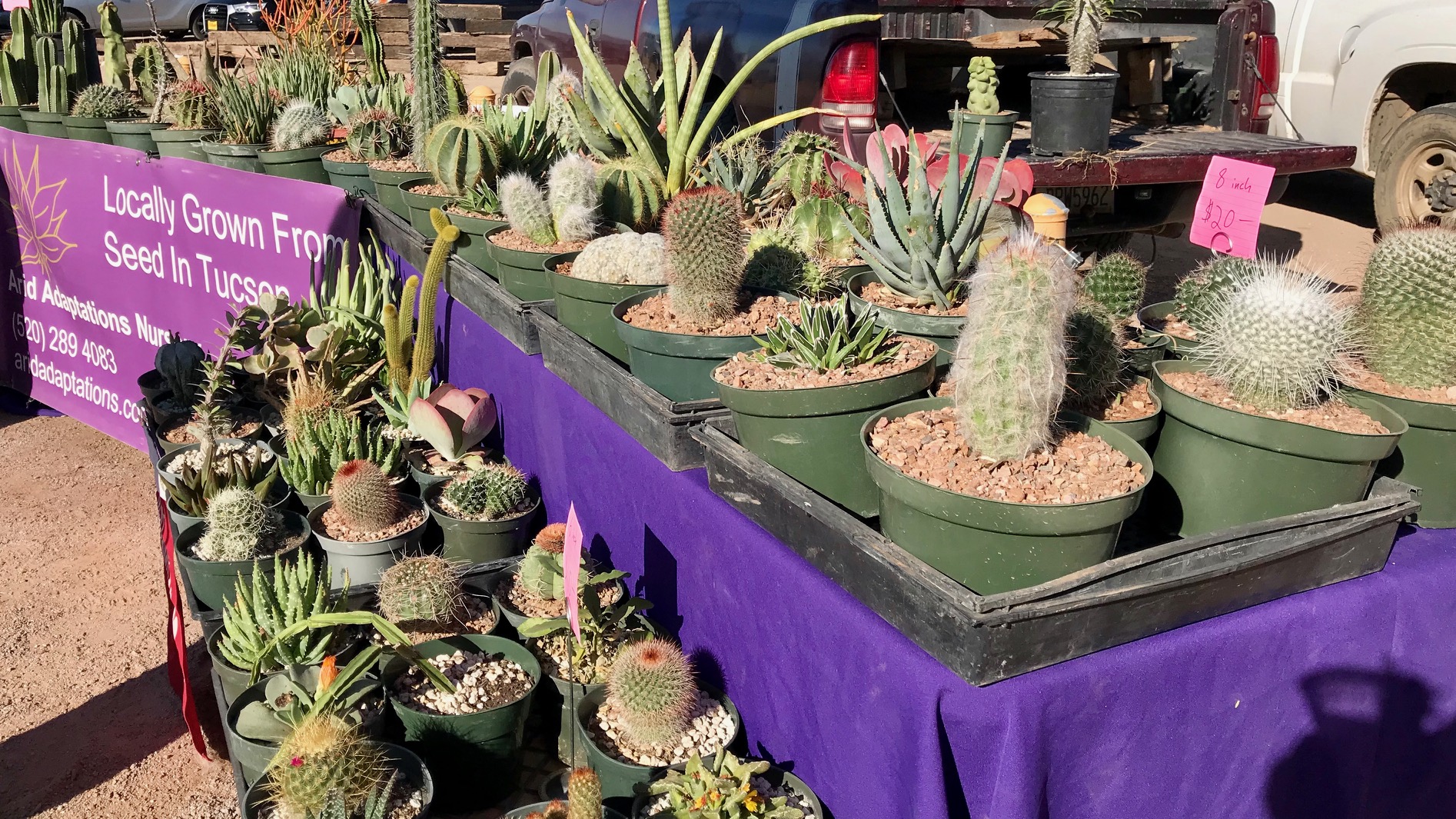
Locally  Grown Succulents

No farmers market in the heart of the Sonoran desert would be complete without a vendor or two selling succulents such as cactus and agave. Locally grown succulents from a farmers market will tend to be healthier than plants purchased online or at the home improvement store where they may have been over-watered. Look for unblemished plants with a bright, healthy color. Be sure to tell the vendor what you plan to do with the plant and listen to their advice.

Knife and Scissors Sharpening

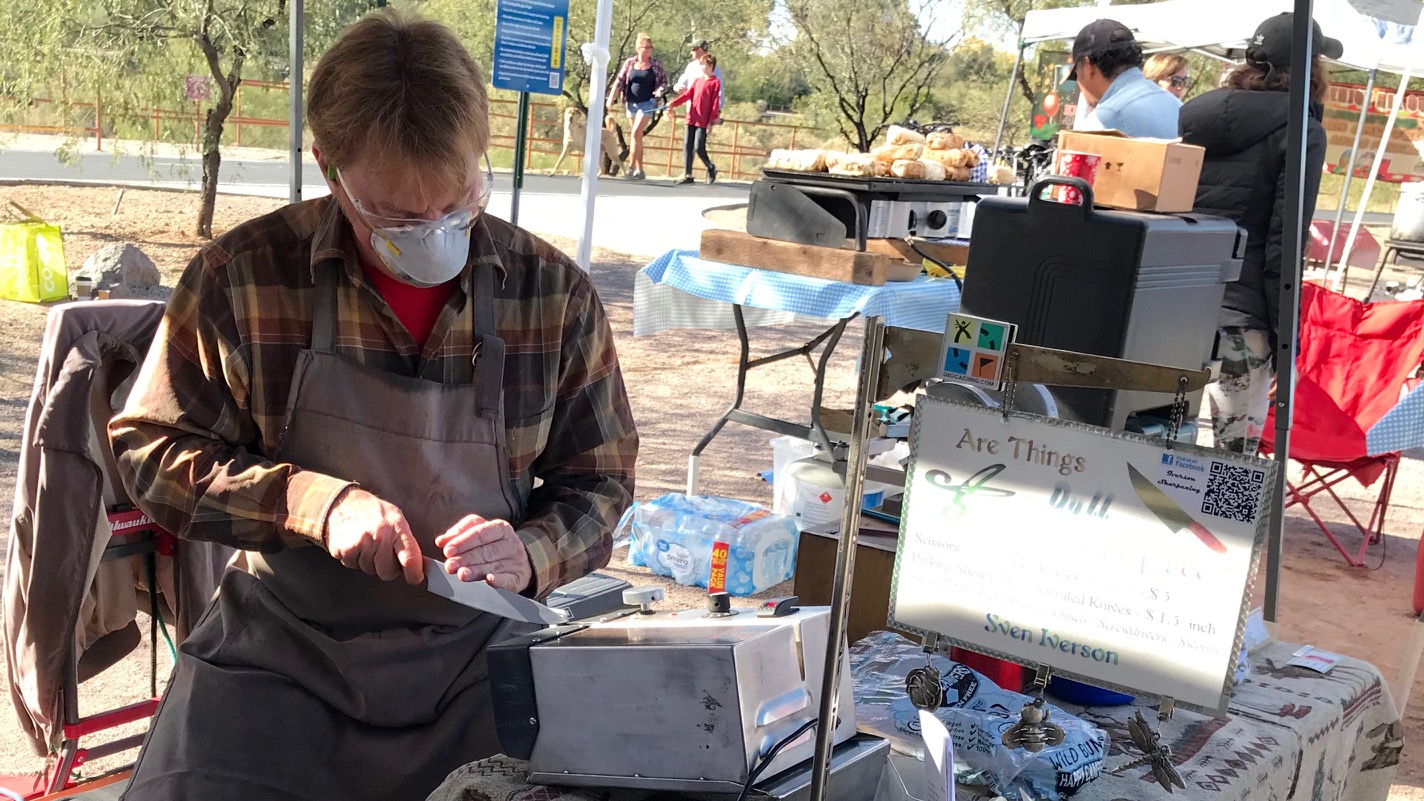
This was the first farmers market where I saw a service for sharpening dull knifes and scissors. I witnessed two customers dropping off items in the short time I was inspecting the vendor’s work. People arriving at the market would leave their dull items and pick them up after visiting other vendors. 

Turkish Food

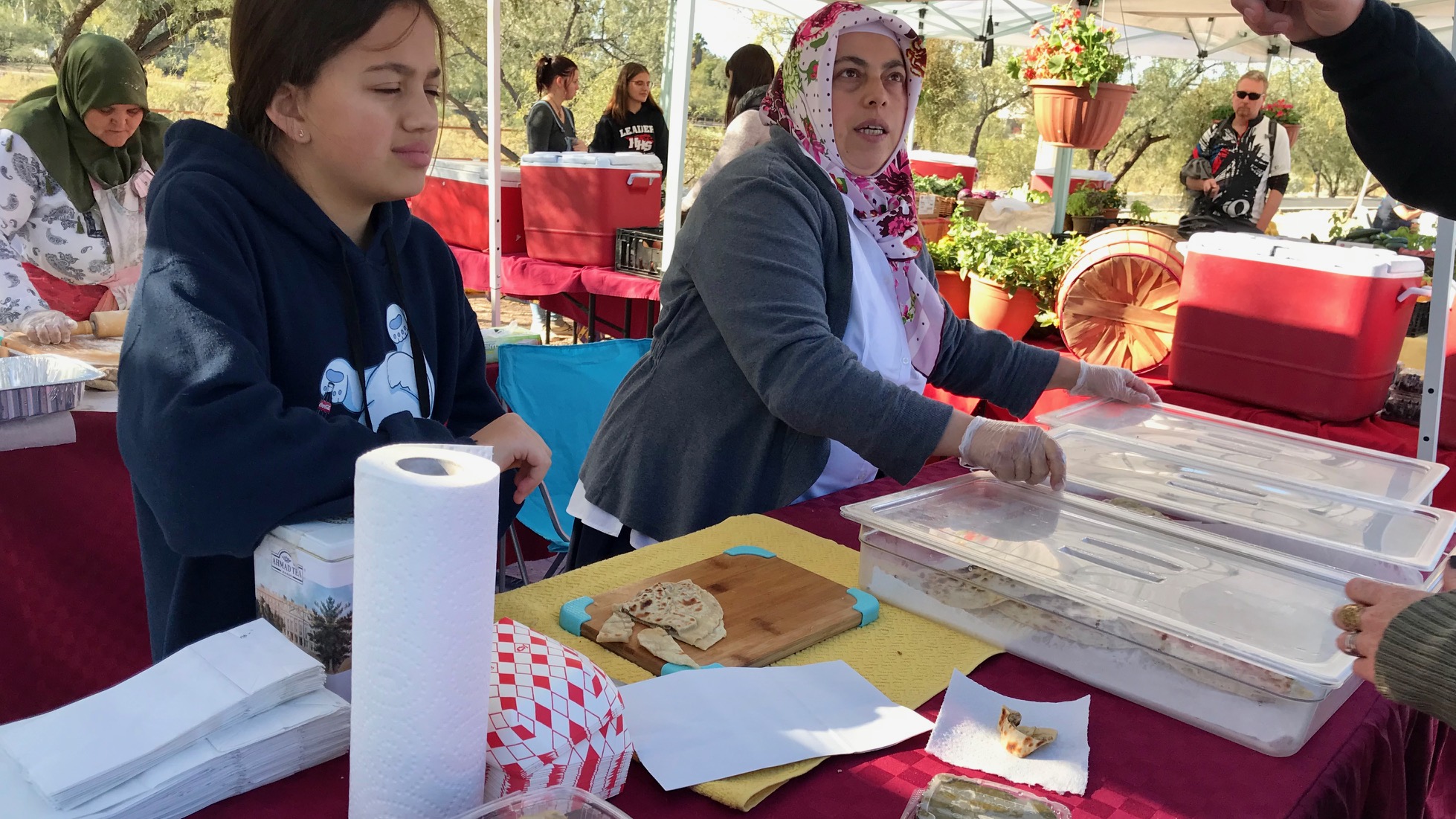
It wasn’t long before some heavenly scents wafted into my olfactory glands (I smelled food). I had already eaten a small breakfast but was drawn to a sample of Gözleme, a filled Turkish flatbread. I ended up purchasing a seasoned ground beef Gözleme and took it home for lunch. It was absolutely wonderful and made from the most simple ingredients.

Live Music at the Market

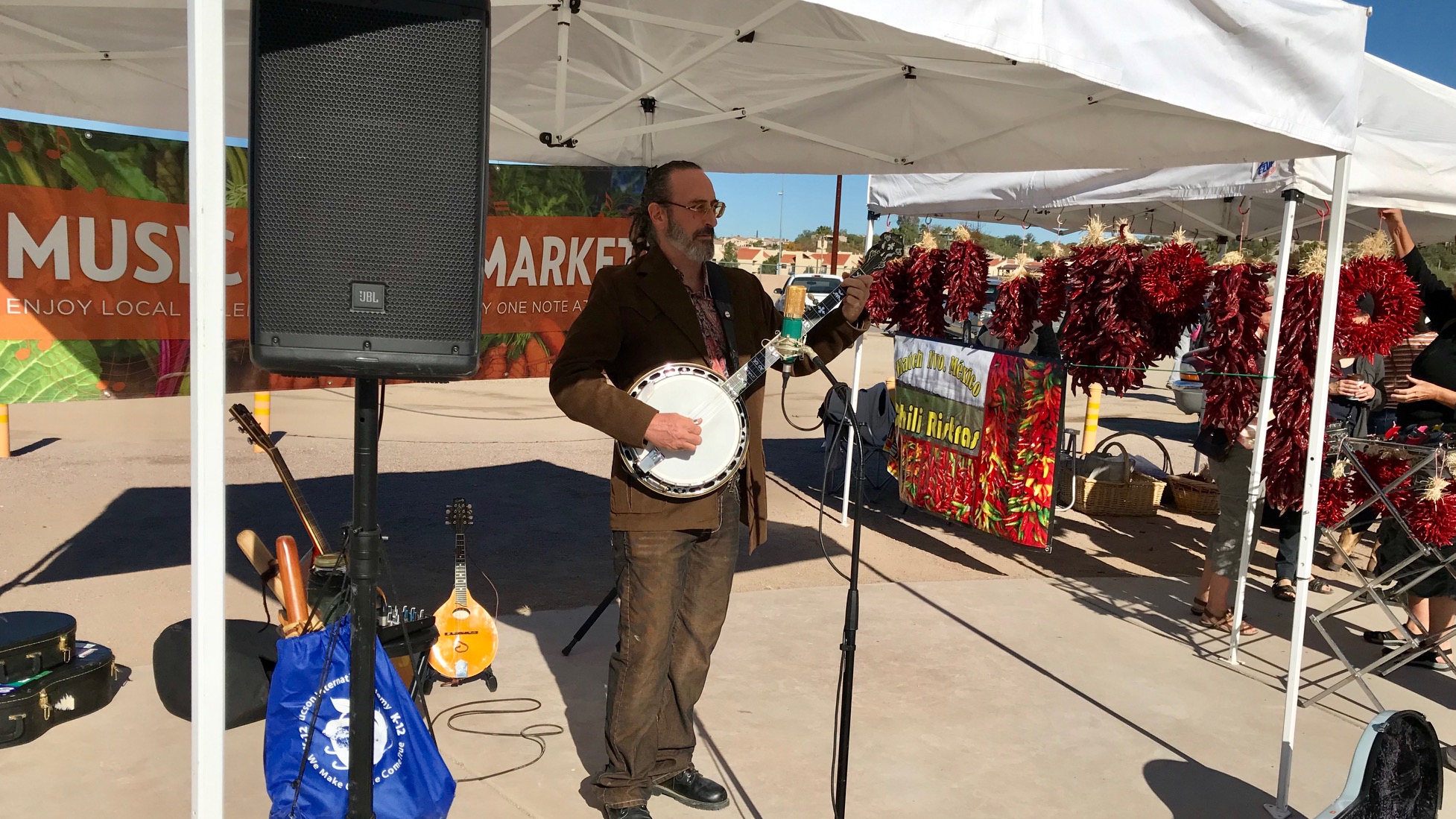
I didn’t catch the name of the banjo/guitar/mandolin player at the market but he was very talented musician and a fine vocalist. He may have been working only for tips, but his banjo case was filling quickly. Be certain to toss a buck or two to these artists as you walk by. His music added so much to the overall ambiance of the event.

Flowers

There was something for everyone at the Heirloom Farmers Market and this may become a Sunday morning ritual for me. The market is open 9:00 AM-1:00 PM, October-April and 8:00 AM-Noon, May-September.

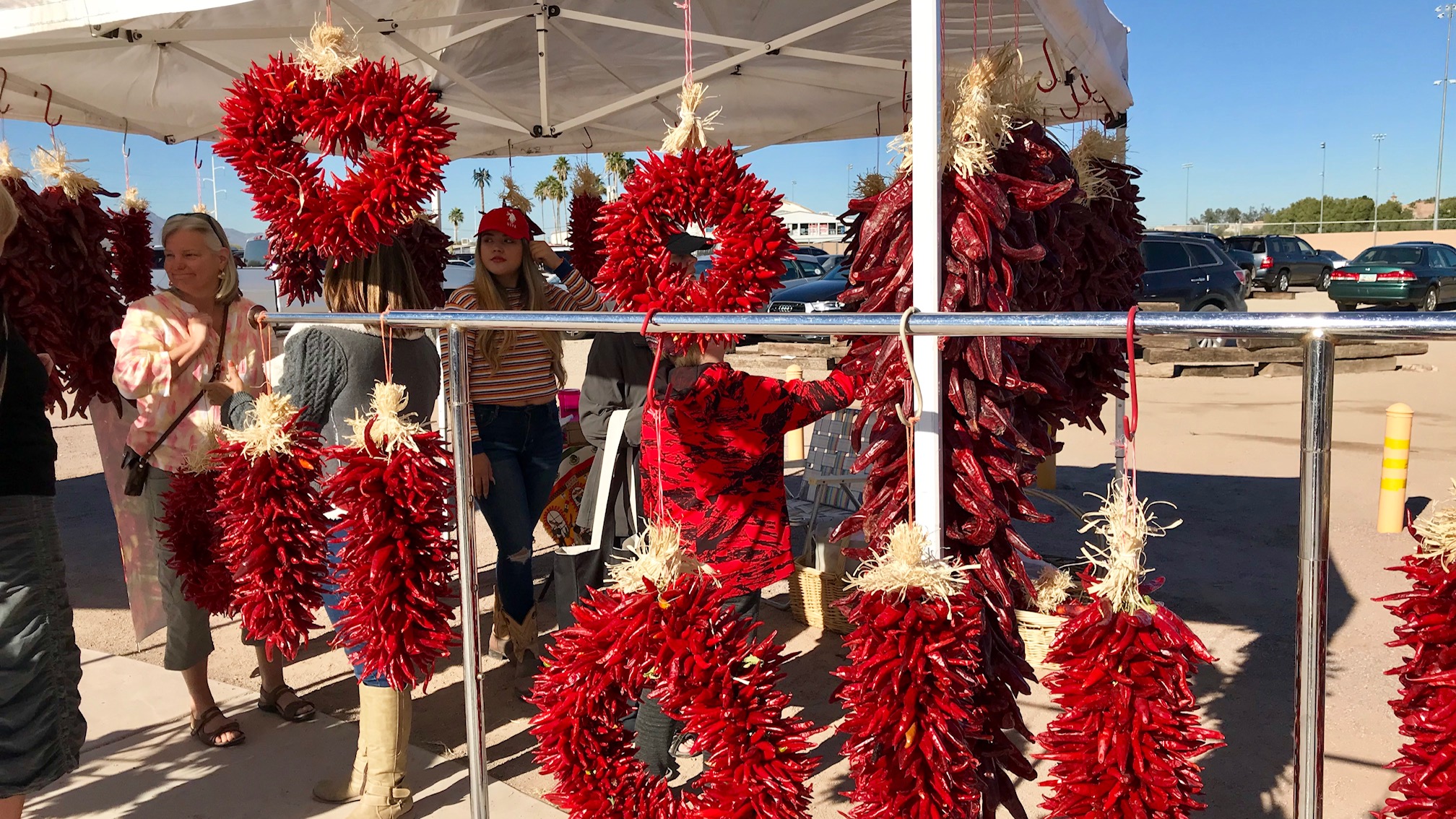
Peppers

Saguaro, Sentinel of the Desert

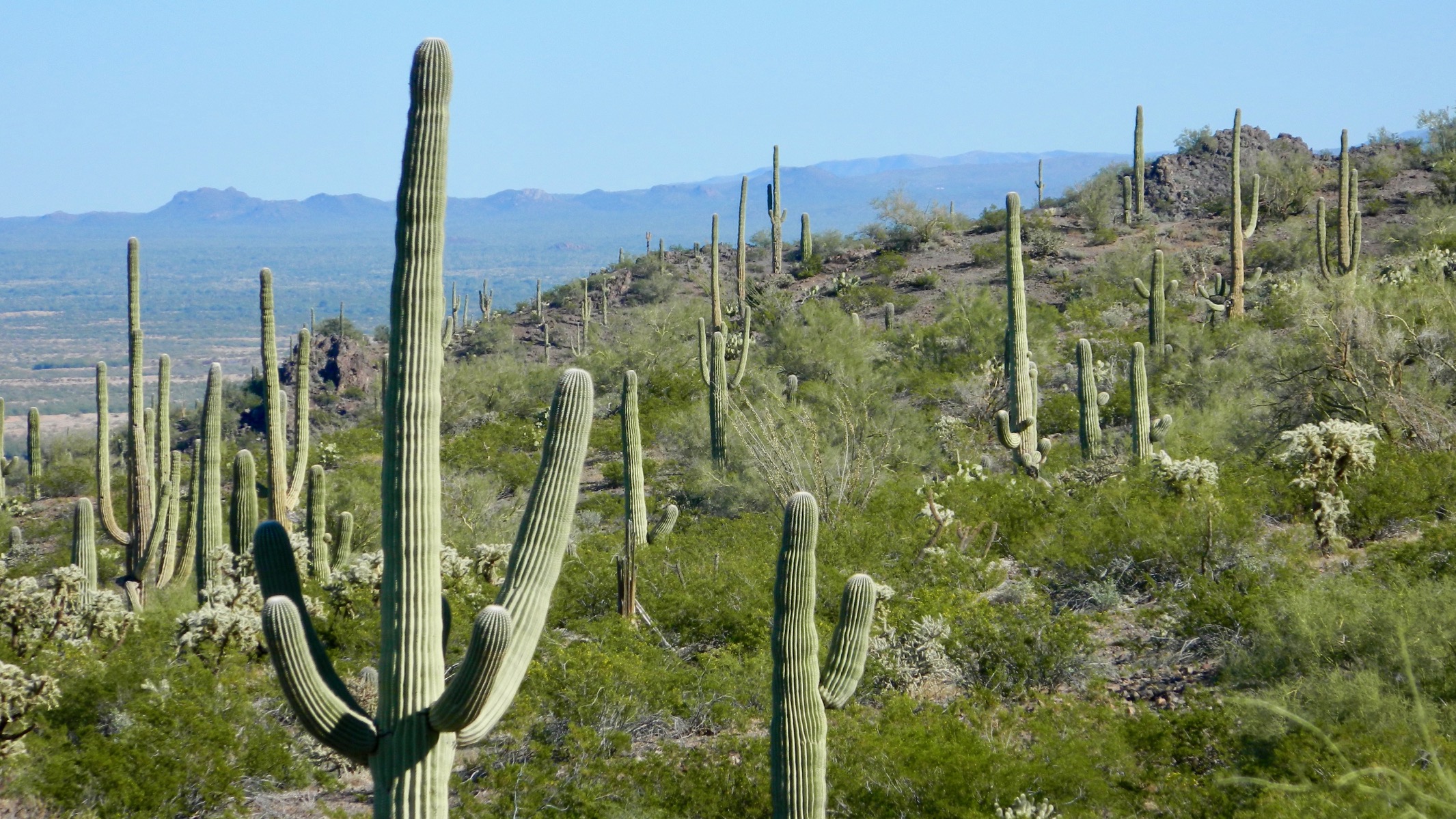
Saguaros as Far as the Eye Can See

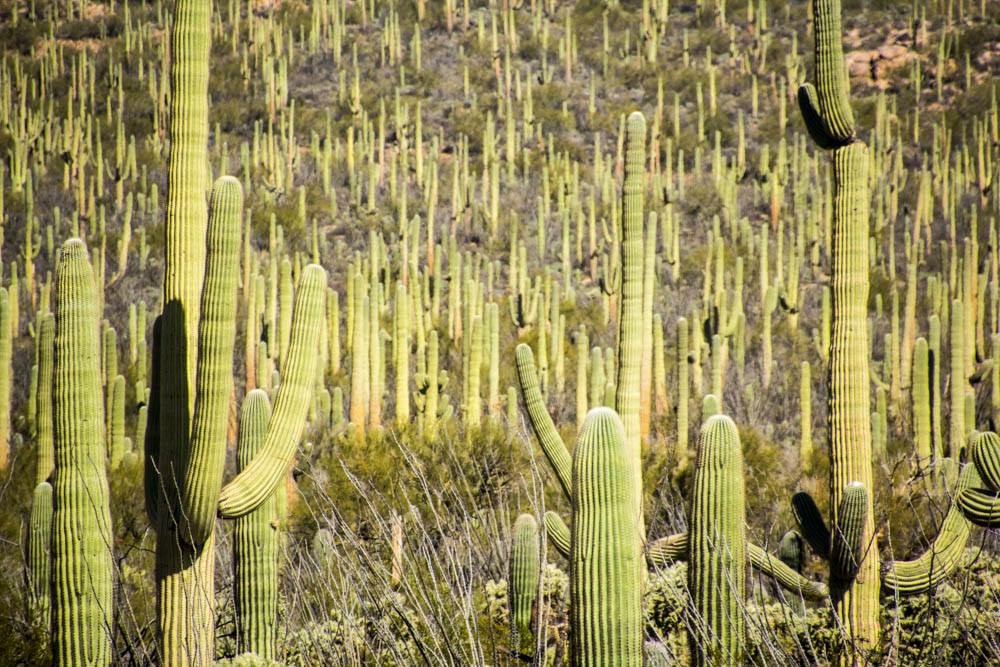
When my wife DiAnne and I searched for a location to retire, the first priority was a location warmer than Minnesota. We quickly found ourselves drawn to the beauty of the sunsets, cacti and succulents located in the Sonoran Desert.

Sonoran Desert

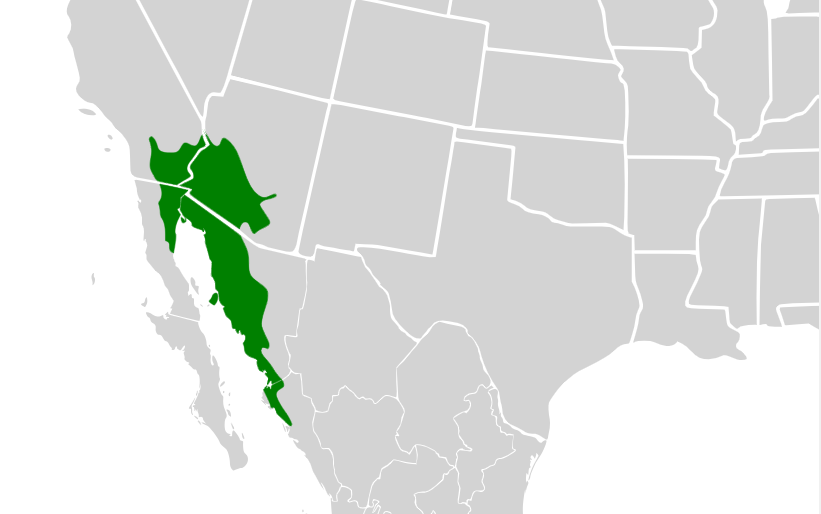
The Sonoran Desert covers large parts of the Southwestern United States in Arizona and California and of Northwestern Mexico. The Sonoran Desert is the home of Saguaro (pronounced “suh-wah-roe”) Cactus. The Saguaro is often referred to as the ‘Sentinel of the Desert’ because it stands boldly against the elements like a giant, prickly guardian. 

Ain’t No Saguaros in Texas – Reverend Horton Heat

Contrary to what you might see in movies and old television series, the Saguaro is found only within the Sonoran Desert. No wild saguaros are found anywhere in New Mexico, Texas, Colorado, Utah, or Nevada, nor in the high deserts of northern Arizona.

Saguaro National Park, Tucson, AZ

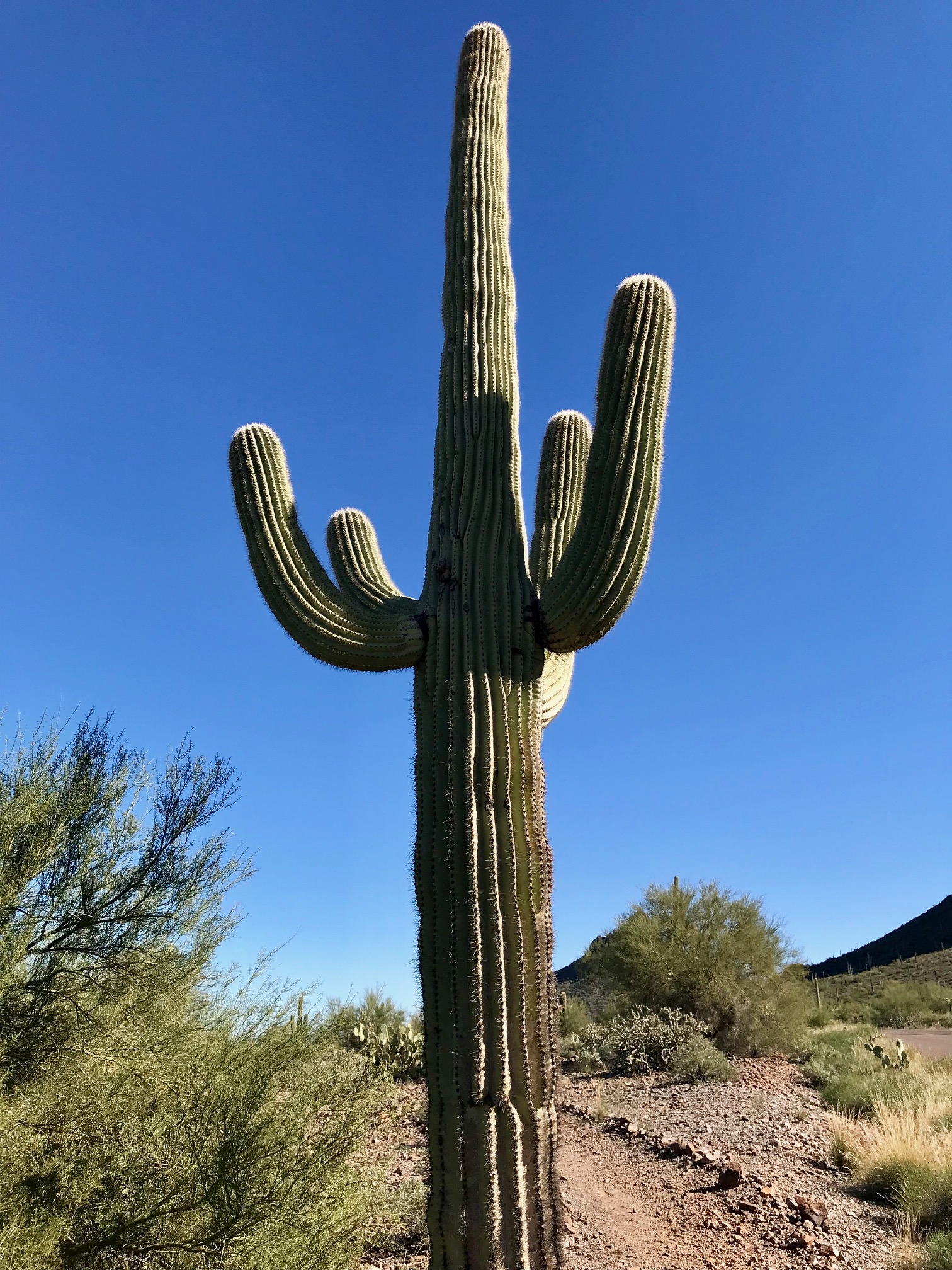
While Saguaros typically reach a height of 40-50 feet, they grow very slowly at first. During the first 6-8 years they grow only an inch or so annually. A Saguaro doesn’t begin to grow its first arm until it is about 75 years old. Typically, a Saguaro has a lifespan that exceeds 150 years. 

Picacho Peak State Park, Picacho, Arizona

The Saguaro can survive long periods of desert drought because of its ability to store large amounts of rainwater. When rain is plentiful and the saguaro is fully hydrated it can weigh between 3,200–4,800 pounds. While these cacti are heavy with water you don’t necessarily want to drink it. A little water from a cactus may keep you alive but drinking too much will make you sick and cause even more dehydration.

Saguaro – The Austin Lounge Lizards

In 1982, two inebriated roommates were struck with the notion of taking pot shots at a saguaro cactus, a class four felony in Arizona with a possible 3+ year maximum sentence. One of the roommates took aim at the arm from underneath a 26 feet high Saguaro estimated to be a hundred years old. The gunshots severed a four-foot spiny appendage which landed on him crushing him to death. This event was documented in the song, ‘Saguaro’ by the Austin Lounge Lizards.

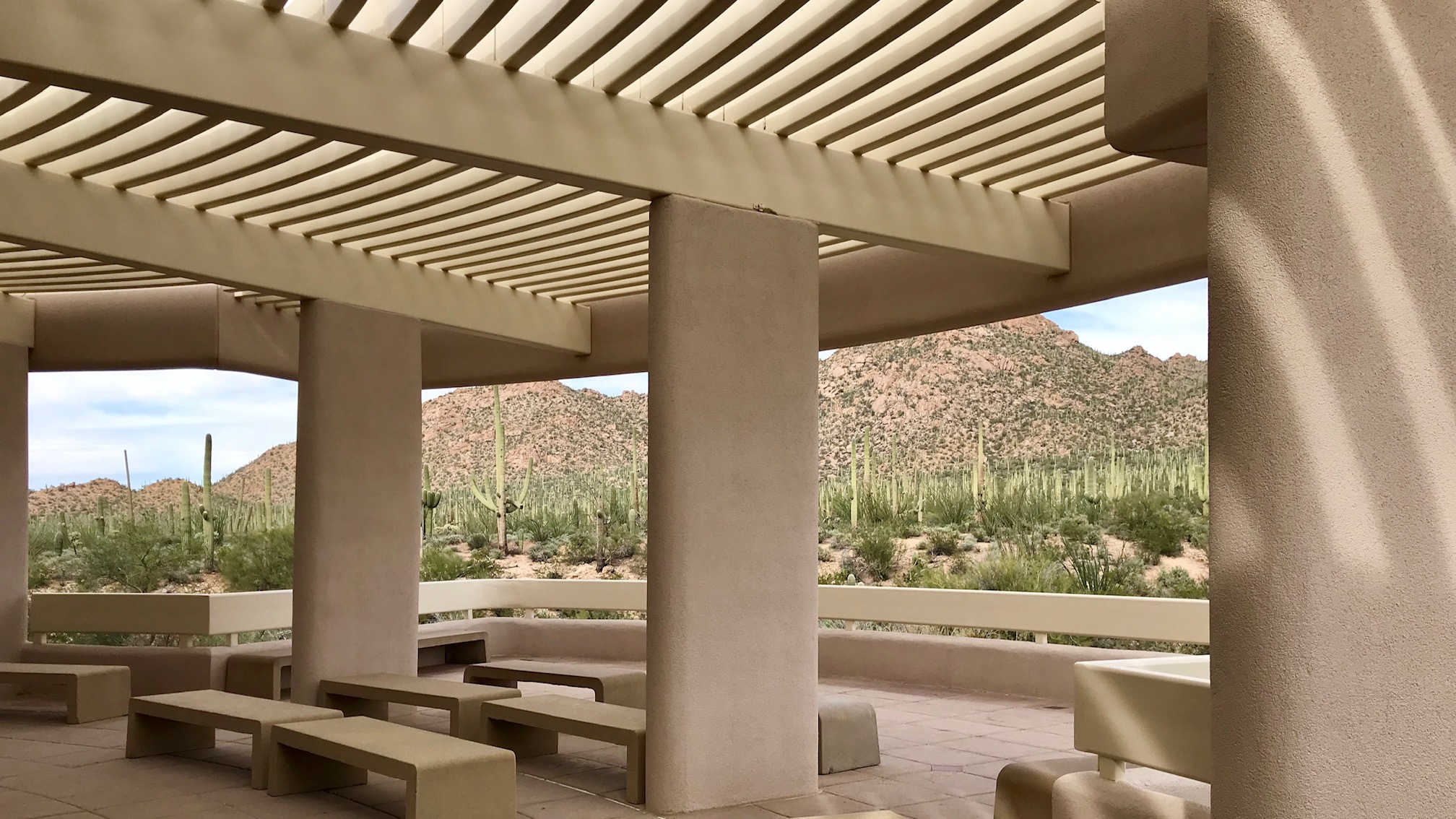
Welcome Center, Saguaro National Park near Tucson, AZ

The best place to see these mystic giants of the desert is in the Saguaro National Park just outside of Tucson. Here you’ll find hiking trails, driving loops and prehistoric artifacts from the Hohokam Culture. You can read stories of how the Hohokam harvested the Saguaro fruit to make syrups, jellies and wine. The first 62,000 acre portion of the park was constructed from 1933 to 1942 by the Civilian Conservation Corps (CCC). The park grew over the years to its current size of 92,000 acres and now consists of two separate areas—the Tucson Mountain District and the Rincon Mountain District. Be sure to include this historical destination on your next trip to southern Arizona. 

Author’s Bonus Image
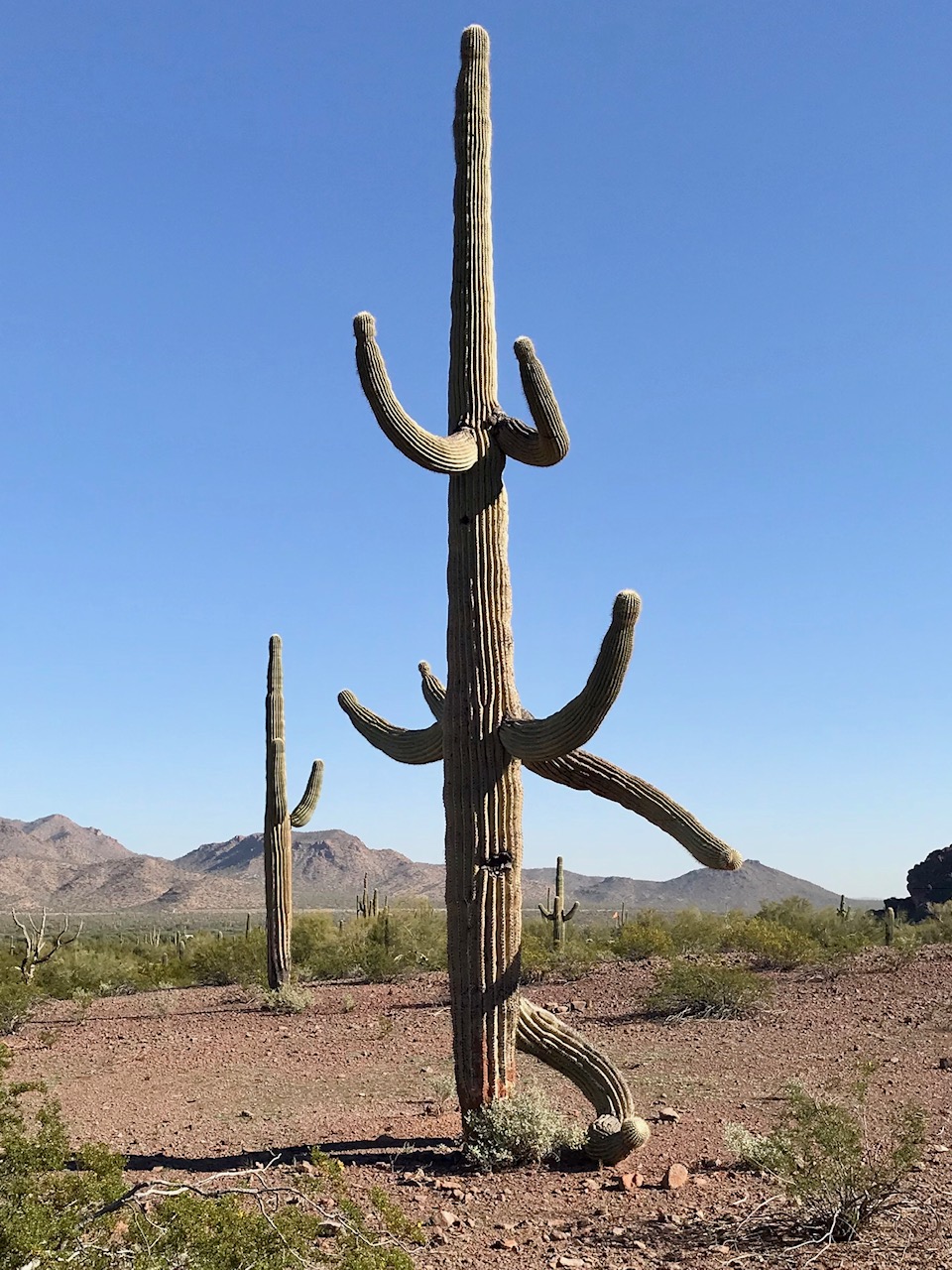
The first Saguaro I ever saw!

Television While Traveling

judy

I’m not much of a television viewer but there are few programs that I like to watch. Mostly I enjoy watching Minnesota Viking and Golden Gopher football as well as Twins baseball. I also have a few guilty pleasure shows that I find entertaining but don’t watch with much regularity, such as Judge Judy and Wheel of Fortune. KTTC News out of Rochester, Minnesota is nice to have on the road to stay informed of what’s going on back home. Here are some of the options for TV viewing when traveling and my thoughts regarding the pros and cons of each.

KingDome

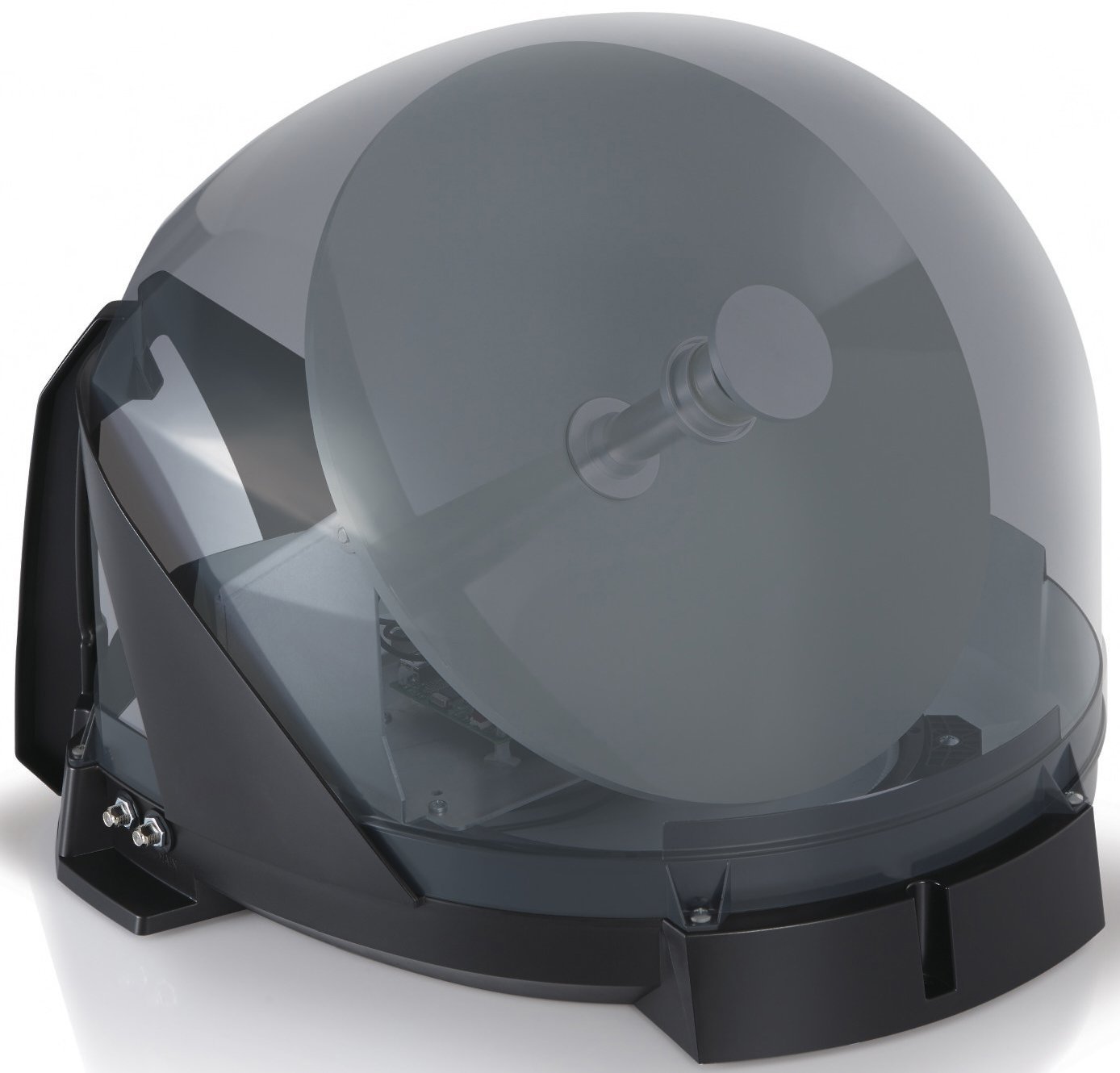
Satellite Television: My motorhome came equipped with a King Dome In-Motion satellite system. This system automatically locates satellites from Direct TV or Dish Network and can even track them while the motorhome is cruising along the highway. This is a great option for the TV junkie with deep pockets. Don’t believe the ridiculous claims of $35/month as the cost. It’s a marketing scheme so expect to pay at least $100/month for the most basic service. If you already have a Direct TV or Dish subscription for your home, you can add a service to your motorhome (or cabin) for a reduced cost. I did not choose to go with a satellite option for now, but I may in the future.  At this point in my life, I simply don’t watch enough TV to justify the cost.
Pros: Reliable, many channel choices, can watch TV in remote areas where no internet or broadcast TV options exist.
Cons: Cost, local stations are an additional charge and your local channel selections including your network programming (Fox, CBS, NBC & ABC) are based on the billing address.

IMG_7603

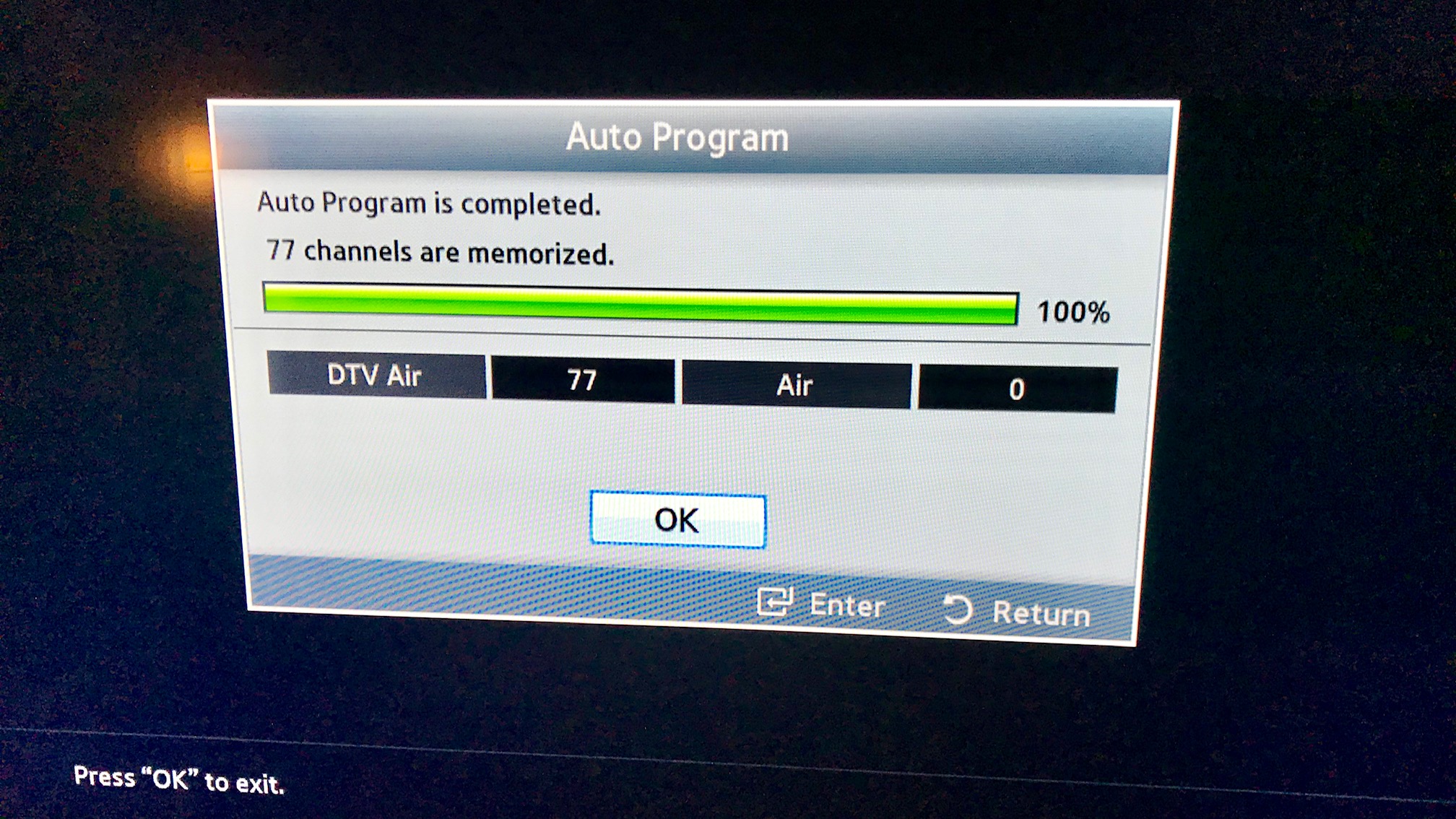
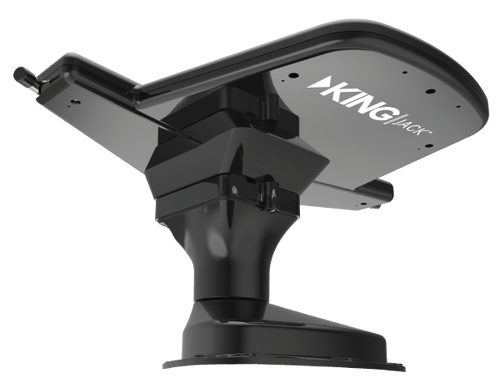
Broadcast TV: This is a no-brainer option for the RV-er. I recently upgraded my King Jack antenna to a newer model and noticed a significant improvement over the old digital antenna. My previous motorhome had the ancient ‘bat wing’ style antenna and I could not receive nearly as many stations. Broadcast TV undoubtedly has the best HD picture available. In the photo above I pointed my antenna to Phoenix (60 miles away) and scanned for channels. As you can see, I receive 77 channels in my current location (I also receive the Tucson channels off the backside of the antenna). That said, some channels are Spanish speaking, some are home shopping channels and some are religious programming (some are religious programming in Spanish). But I still get all of the major networks and a lot of usable, entertaining channels. What I don’t get are the Minnesota sports teams or local Minnesota news.
IMG_7604
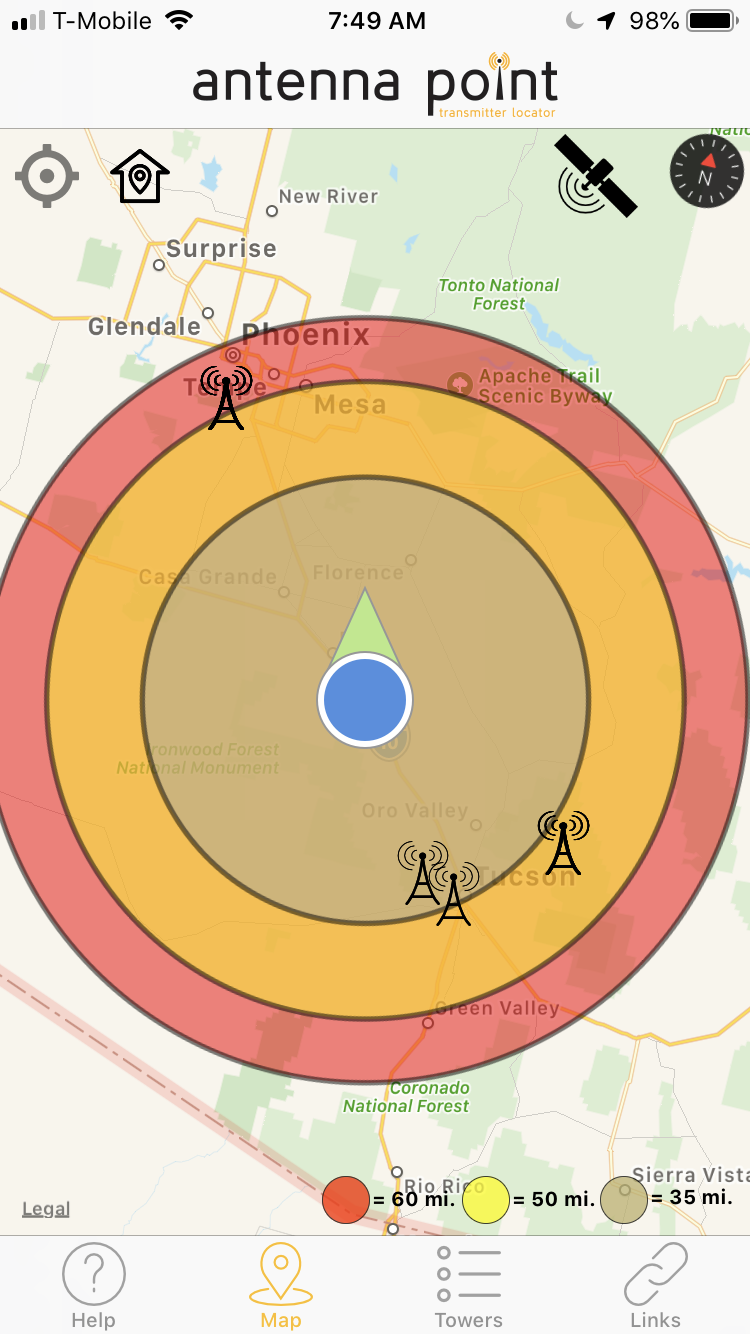
Antenna Point is a free cell phone app that uses GPS technology to help locate TV broadcast towers nearest to your location. This makes it easy to see what is available and where to point your antenna. If you’ve got an RV, upgrade your antenna and download the app.
Pros: Free over-the-air service, great picture quality.
Cons: Number of channels is dependent on location.

slingbox

Slingbox: This is a box that sits in a home and rebroadcasts (streams) your cable or satellite TV to you, wherever you may be in the world, via the internet. I’ve been using this technology for over a year and for the most part, it’s adequate. When I was a homeowner, I had the Slingbox located in my home in Rochester. Today, I have it located at a friend’s home. Slingbox (not to be confused with Sling TV) uses apps for smart-phones, tablets and PCs to receive the signals via the internet. The signal can then be directed to your large screen TV in the RV via a cable connection to the HDMI port or by the use of casting technology (like Google’s Chromecast). The app features a virtual remote control that allows the viewer to send a signal via the internet back to the home box to change channels, pull up the channel guide and generally control the cable/satellite box from a remote location.
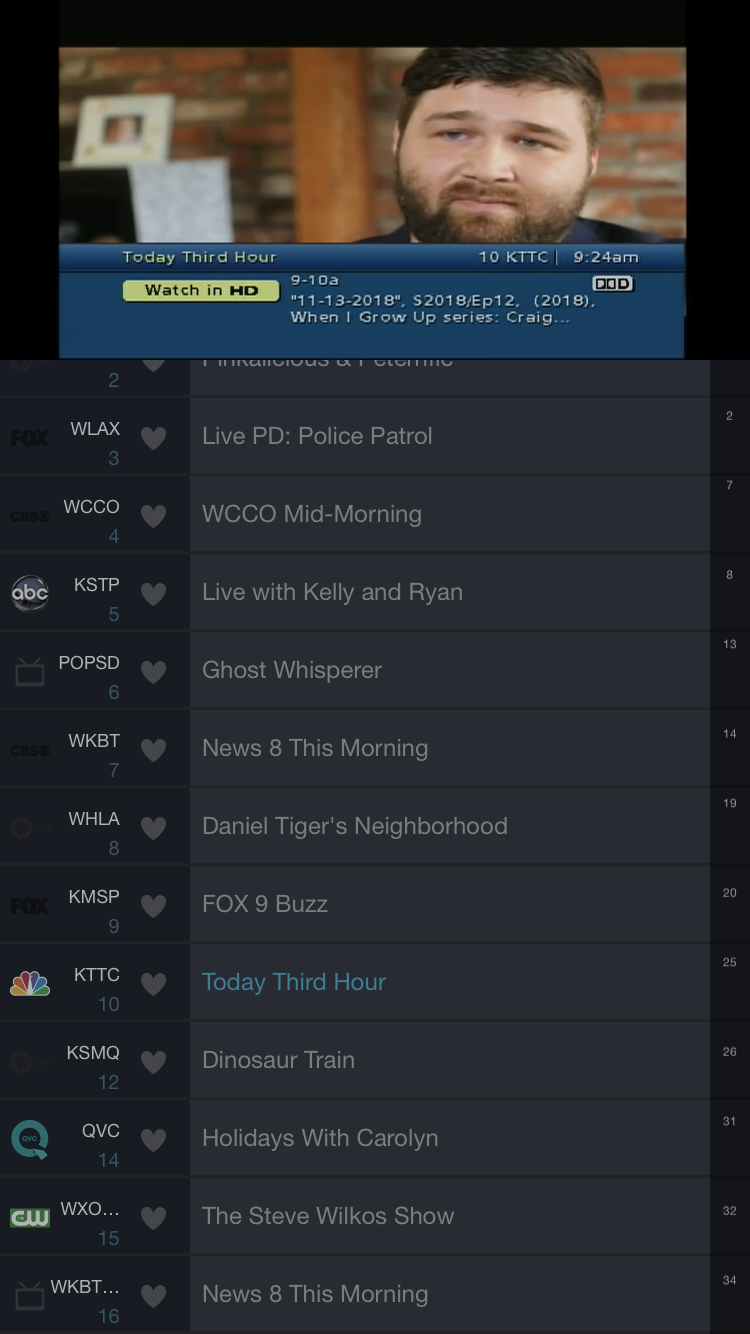
IMG_7605The screenshot above is from my iPhone and shows that I’m watching KTTC via the Slingbox while displaying the channel selection guide. This technology allows me to watch any SE Minnesota local programming, (including local news and Viking football) wherever I roam. The cost of this system is minimal. I paid $80 for a refurbished M2 Slingbox via Amazon and there is no monthly service fee. I’m covering the cost ($5/month) of an additional cable box at my friend’s home that’s dedicated for my use. The biggest downside to this technology is that it requires good internet connections at both ends. The friend who hosts the box for me has a great connection and the Slingbox is connected to his router via an Ethernet cable for the fastest speed. The problem for me occurs on the viewing end. When I have a slow connection, the streaming occasionally drops and I have to restart the app. The other downside is the quality of the picture. The app automatically adjusts the picture quality based on the speed of the internet service. Even under ideal internet conditions when I cast the picture from my cell phone to a larger screen TV, one can see that it’s a bit fuzzy. Slingbox is not going to please someone who demands a high quality picture. I’m on a great unlimited data plan from my cell provider T-Mobile that doesn’t slow the connection down after a data usage limit so it works fairly well with the Slingbox.  Still, some areas have good cell signals with speedy LTE data available while others don’t.
Pros: Low cost, many channels, local programming from the Slingbox host site.
Cons: Picture quality dependent on internet speed, dropped connections.

Other Options:  There are plenty of other internet-based subscription options (Sling TV, Roku, Fubu, etc.) for television viewing with some offering local programming options. Depending on your needs you can get one of these services in the $40-100/month range. Also, many broadcast stations and even some cable-only channels can be viewed for free via their websites. I’ve bookmarked some of these and occasionally use them as a last resort since the programming is fairly limited. As an Amazon Prime member not only do I get all of the 2-day free shipping on purchased items, I also receive their excellent video/television streaming service. Among other things, all of the Thursday Night Football games are live-streamed on Amazon at no additional cost and the quality of the picture is much better than I get from my Slingbox. As a T-Mobile customer, I get Netflix at no additional cost. I’ve been staying at state parks for most of my travels thus far, but many commercial RV parks have cable TV hook-ups at the camp sites that one can plug into.

My choice of broadcast TV and the use of a Slingbox allows me to get what I need at a minimal cost, at most locations on my travels. How important is television to you? If you watch more TV than I do perhaps a satellite system is a better choice for you. I’m sure that you noticed many of the options I discussed above for TV viewing are dependent on a good internet connection. In a future blog I’m going to talk about different internet connection options.


Where I Come From It’s Called Pop

IMG_7314Edited

My love of pop goes back to my youth. My family didn’t always have pop in the refrigerator but my mom would sometimes pick up a quart bottle from Tushner’s Market to go along with skin on wieners and potato chips, a Saturday lunch tradition growing up. My grandmother would also treat my brother Jimbo and me to a pop at the laundromat. Sometimes if I found enough returnable bottles I could return them to a grocery store for 2-cents apiece and get enough cash back to buy a full bottle.

mass street soda

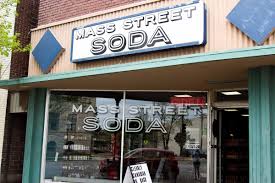
Image my thrill to find a store devoted to nothing but pop. Mass Street Soda is located on historic Massachusetts Street in Lawrence, Kansas. The store’s website claims, “With over 1,000 varieties of soda, it’s setup to satisfy almost any taste.” I picked up a 4-pack of mixed pops and took it back to the motorhome to chill and sample later. There was a shelve at the store containing some real odd pop varieties like Dill Pickle and Bacon flavored sodas. The store clerk told me that she thought everything on that shelve was gross, so I took her advice and stayed away.

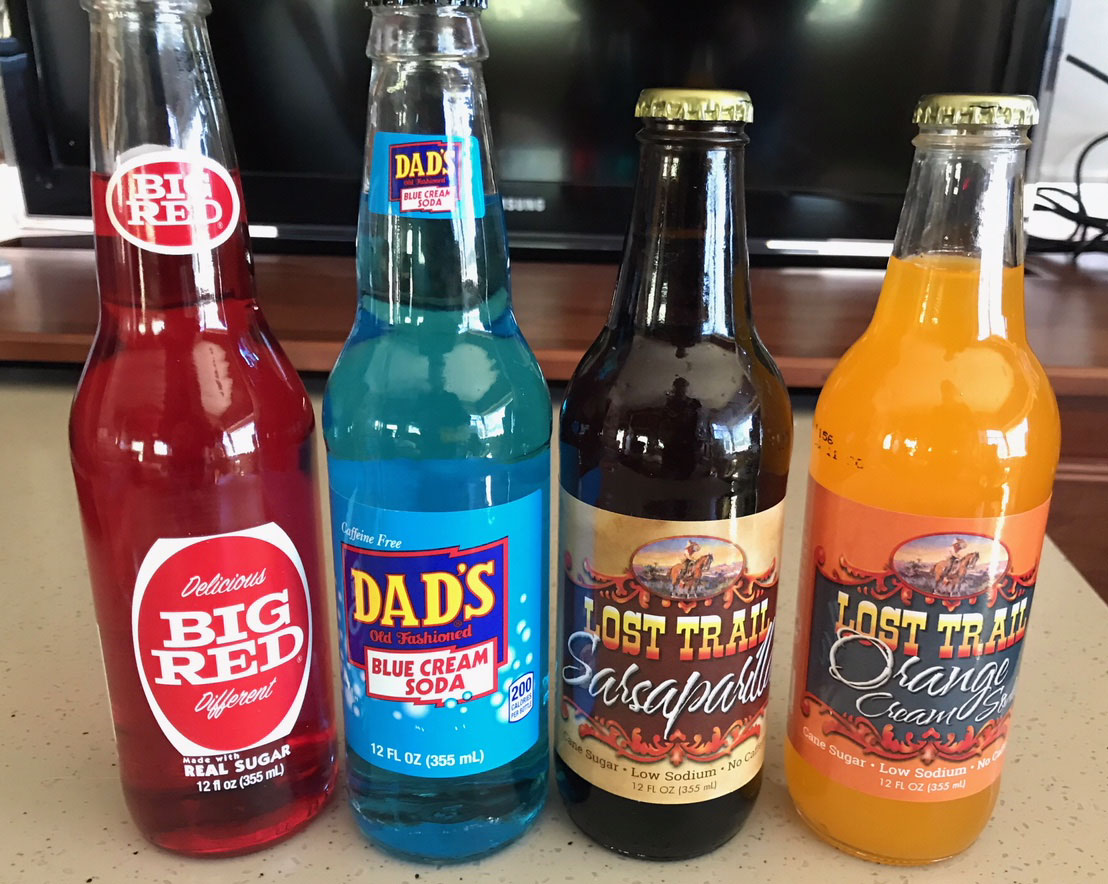
Big Red has been around since 1937 and was a pop that I really enjoyed as a kid. It was sweet and creamy and everything I remembered. The soda is neither strawberry nor cherry flavored as I assumed all these years. With just a bit of internet browsing I discovered that Big Red is actually a combination of lemon oil and orange oil along with vanilla. Whatever its ingredients, it tastes like my childhood to me.

Dad’s Blue Cream Soda drew me in because I like the color blue and I like cream soda. It was good and very sweet, but the color blue had no connection to the flavor. I guess that I was expecting a blueberry flavor, perhaps something like a creamy version of a blue snow-cone. It was a good vanilla cream soda that just so happened to be colored blue.

Lost Trail Sarsaparilla is made in Louisburg, Kansas. Here are some fun facts from WebMd: “Sarsaparilla is used for treating psoriasis and other skin diseases, rheumatoid arthritis (RA), and kidney disease; for increasing urination to reduce fluid retention; and for increasing sweating. Sarsaparilla is also used along with conventional drugs for treating leprosy and for syphilis.” Good to know I guess. The pop when opened had a spicy, yet mild aroma. It was quite good but there was not as much carbonation as I expected.

471-107781-otg_creamsicle_bar_300x300-1

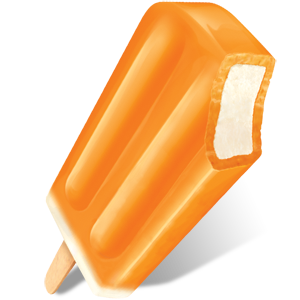
Lost Trail Orange Cream Soda was something that my wife picked out for herself, but she let me have a taste. Orange pops were never really my ‘thing’ but this one was pretty good. The flavor reminded me of an Orange Creamsickle.

IMG_7493

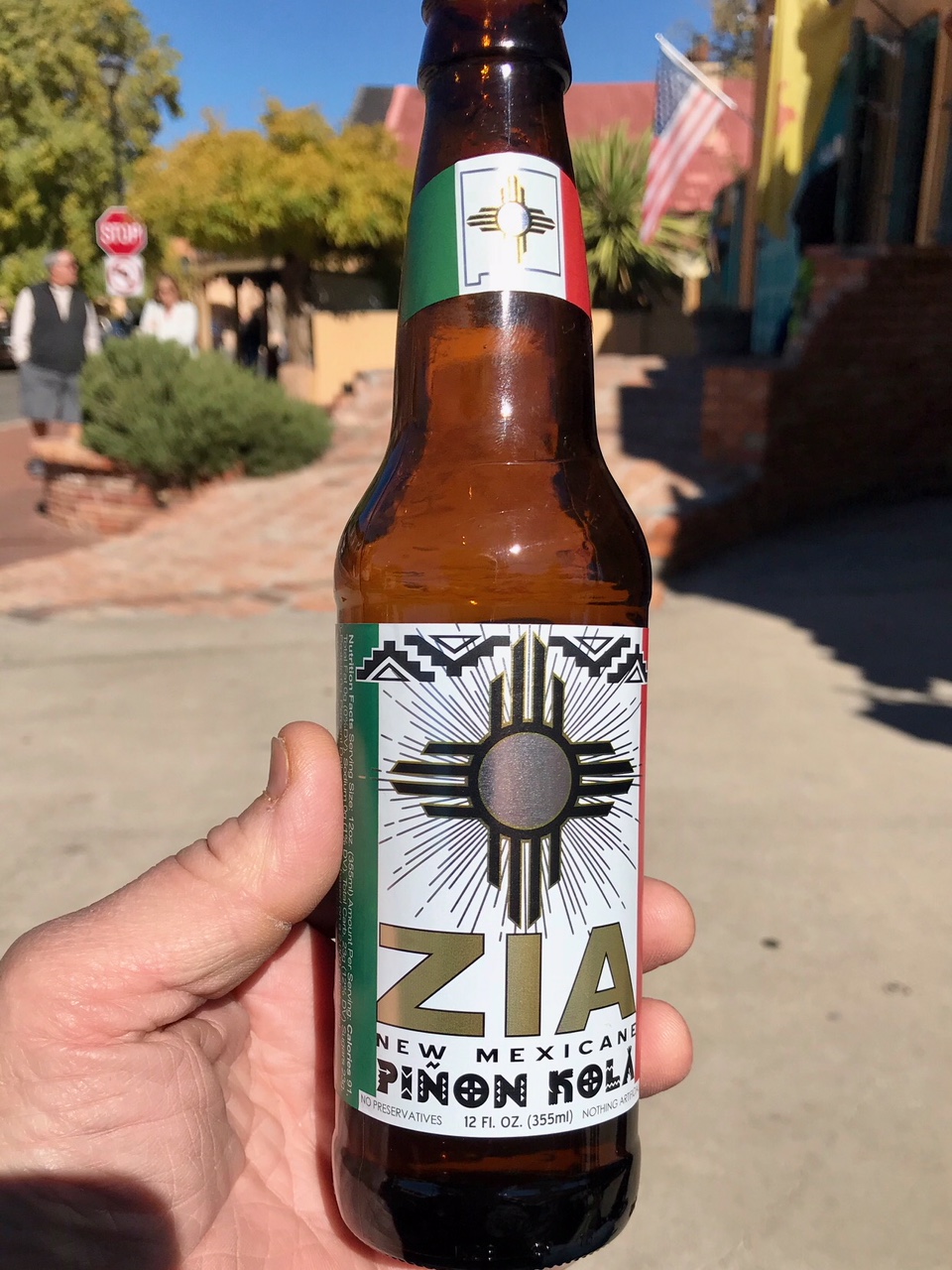
Old Town Albuquerque, NM is packed full of tourist shops with trinkets, t-shirts and other souvenirs on display to pull in visitors’ dollars. The weather, however was beautiful and one of the shops I ventured into had a few pops hat I had never seen before. I picked one up and drank it while waiting on my co-shopper.

Zia Pinon Kola is not a cola. It is brewed with a blend of kola and pińon nuts grown in the mountains of New Mexico. It also contains lime juice, vanilla and cinnamon. While is is made using real cane sugar the pop is not overly sweet. Plenty of carbonation with the nutty flavor made this an excellent pop to experience. This one is among the top of my list of favorites.

IMG_7566Edited

Another places that sells unique and vintage pops is Cracker Barrel. My wife DiAnne and I stopped for lunch at a Cracker Barrel in Gallop, NM and before leaving, I picked up another 4-pack of pop to go.

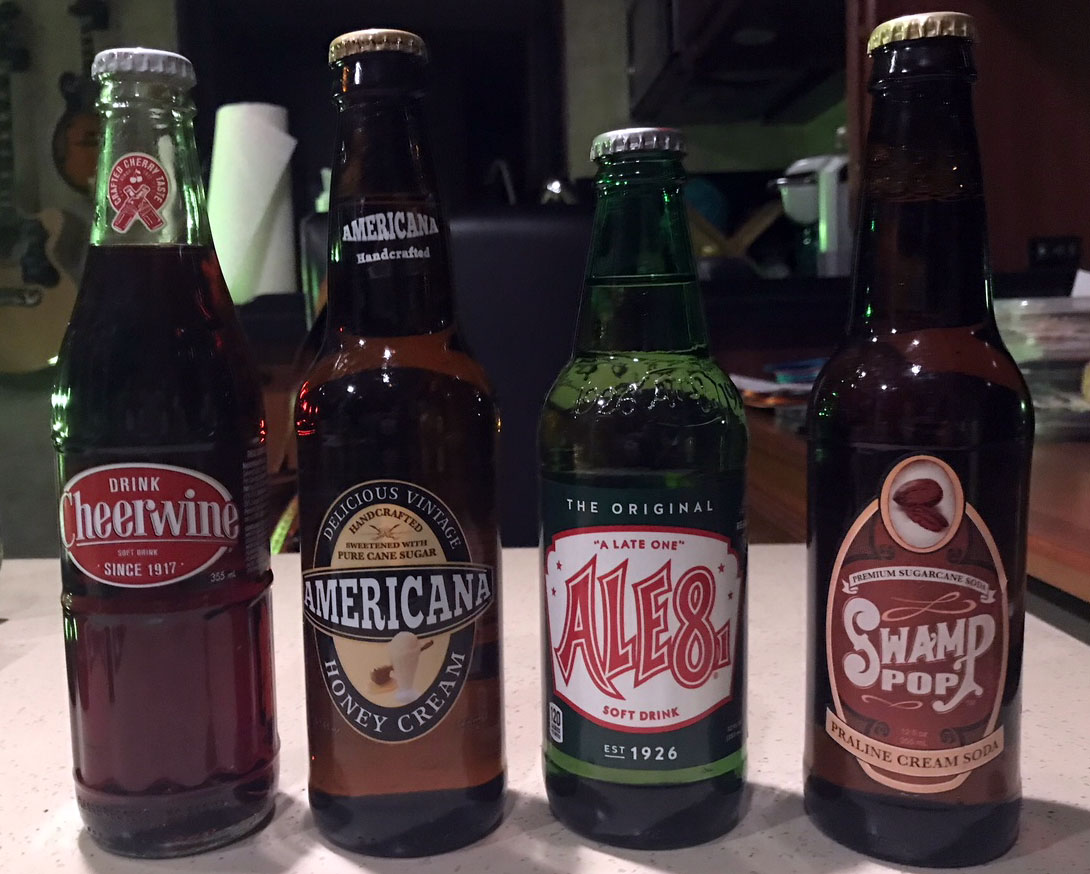
Cheerwine has been around since 1917 according to the bottle. This was the first time I’d ever heard of it. Cheerwine is a cherry-flavored pop produced in Salisbury, North Carolina. The first thing I noticed about it was its strong cherry flavor. According to Wikipedia, the pop is supposed to be highly carbonated, but mine was a bit flat so it was most likely a bottle that had been on the shelf too long. Every time I took a sip from the bottle I tried to determine whether this was a cola or something else. I concluded that it is a cherry-cola, but the cherry is stronger than any other cherry-cola I’ve ever had.

Americana Honey Cream is a really good pop distributed by Orca Beverages out of Mukilteo, WA. It has a modest, but just-right honey flavor with a hint of vanilla. If you are a cream soda junkie like me, you’ll want to give this one a try. This pop along with the Zia Pinon Kola rate at the top of my list.

Ale 8 (aka Ale-8-One) was a pleasant surprise and was the last bottle I pulled from the shelf at Cracker Barrel before leaving. I thought Ale 8 was going to be boringly similar to 7-Up (since both have a single digit and a short word in the title) but it turned out instead to be a good ginger ale. The ginger flavor was stronger than any ginger ale I’ve ever had, but not as strong as a ginger beer. Ale 8 is bottled by Ale-8-One Bottling Company, Winchester, KY.

Praline Cream Soda by Swamp Pop Sodas out of Lafayette, Louisiana was out of this world heavenly. Truth be told, I drank all four pops (in photo above) today so I could write this article and by the time I tasted this one I was popped out. This pop, however is rich enough to be a dessert on it’s own. Praline Cream Soda features a full brown sugar, buttery pecan flavor that dances about your mouth for a while. Di and I had a sip of this before hiking today and she liked it as much as I did. I put the remaining pop in the refrigerator and when we returned I made two small Praline Cream Soda floats using Edy’s Slow Churned Vanilla Bean ice cream. Best pop float ever for me.

In Minnesota and throughout most of the Midwest we call it pop. In other places it’s known as soda or a cold fizzy drink. In the south, one might hear a request for a coke which doesn’t necessarily mean Coke®. The generic term ‘coke’ could mean any variety of pop. Whatever you call it, I have been a pop lover my entire life. Choosing, tasting and writing about these unique sodas was a fun experience for me but I have no desire for another pop this evening.

Starman’s Crater

starman_still5

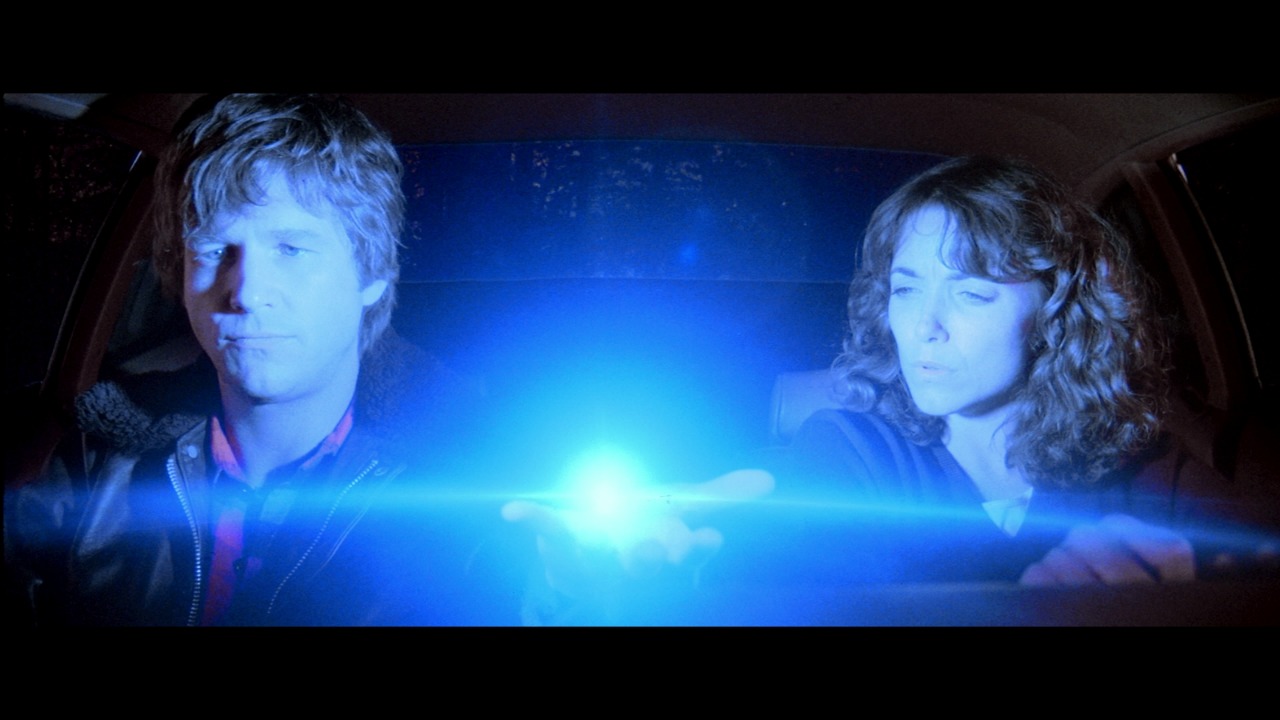
Fourteen years before Jeff Bridges grew a beard and became The Big Lebowski, he was nominated for an Oscar as Best Actor for his role in the movie ‘Starman’. In the movie, an alien spaceship crashes in Wisconsin and the entity uses a strand of hair to clone himself as the recently deceased husband of Jenny Hayden. Jenny eventually befriends Starman and takes him on a road trip along Route 66 to rendezvous with his alien colleagues at Barringer Crater located between Winslow and Flagstaff, Arizona. All the while Bridge’s character, Scott Hayden is hunted by U.S. government agencies and the military. Starman was a movie that I  enjoyed over the years, so when I saw the signs for ‘Meteor Crater’ along I-40 I thought it would be a great place to stop.

Barringer Crater Company, a family-owned business is designated as a national landmark but despite its importance to the scientific community, it is not protected as a national monument which requires federal ownership. The business has been run over the years by three generations of Barringer women.

welcome center

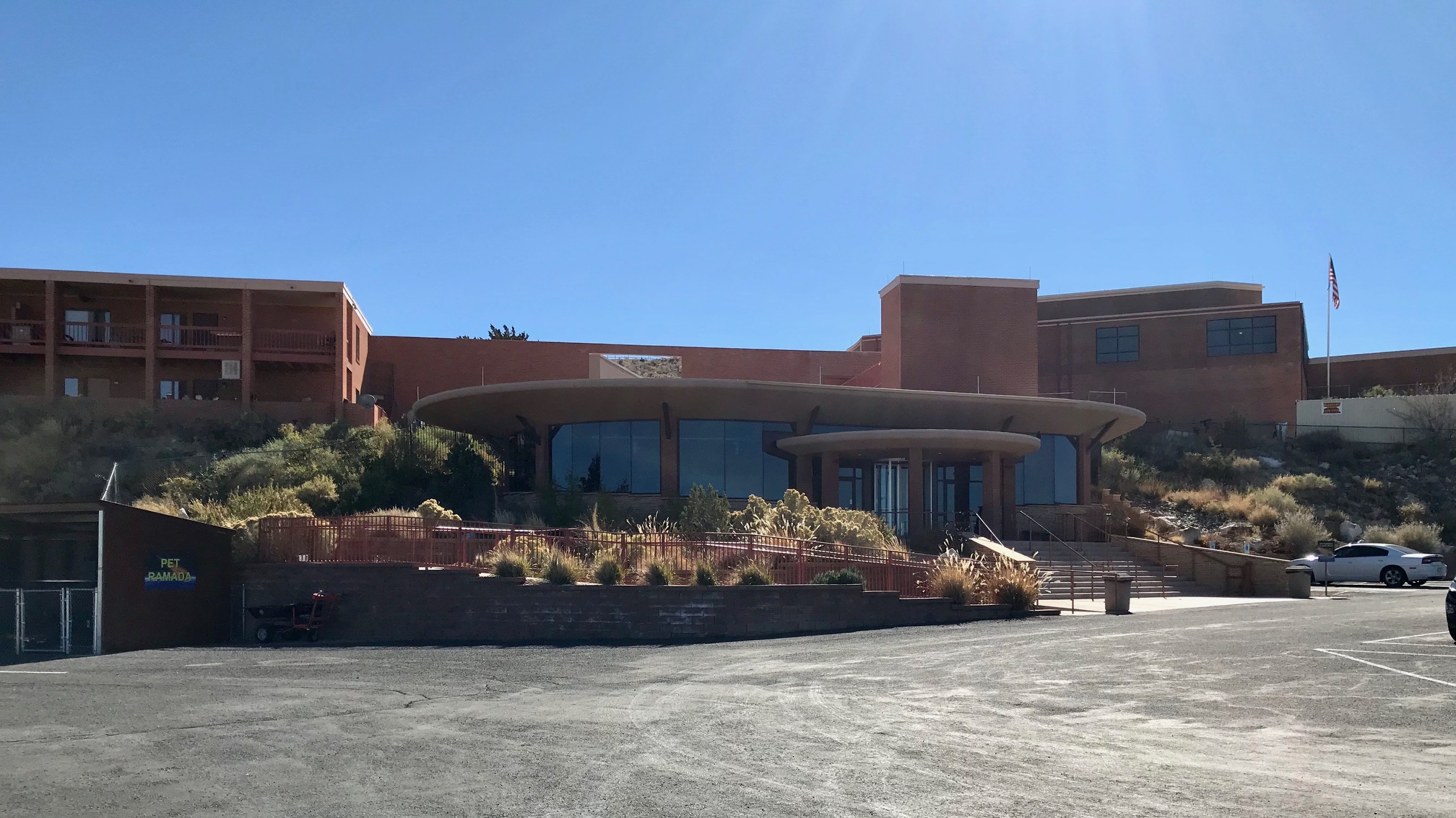
The first thing one sees after driving several miles off of the interstate is the Welcome Center, a Frank Lloyd Wright inspired structure designed to withstand the high winds that pummel the area. If you look closely at the photo above you’ll see a ‘Pet Ramada’ on the far left. It gets really hot in the summertime so pet owners are encouraged to kennel their pets rather than leave them in hot cars. The kennels are clean and the pets can even roam outside the structure.

My wife DiAnne and I parked our motorhome in a lot specifically designed for RVs and long trucks. We entered the building, paid $16 apiece (senior discount) and made our way to the second floor where a one-hour guided tour was about to leave toward the crater.

IMG_7527

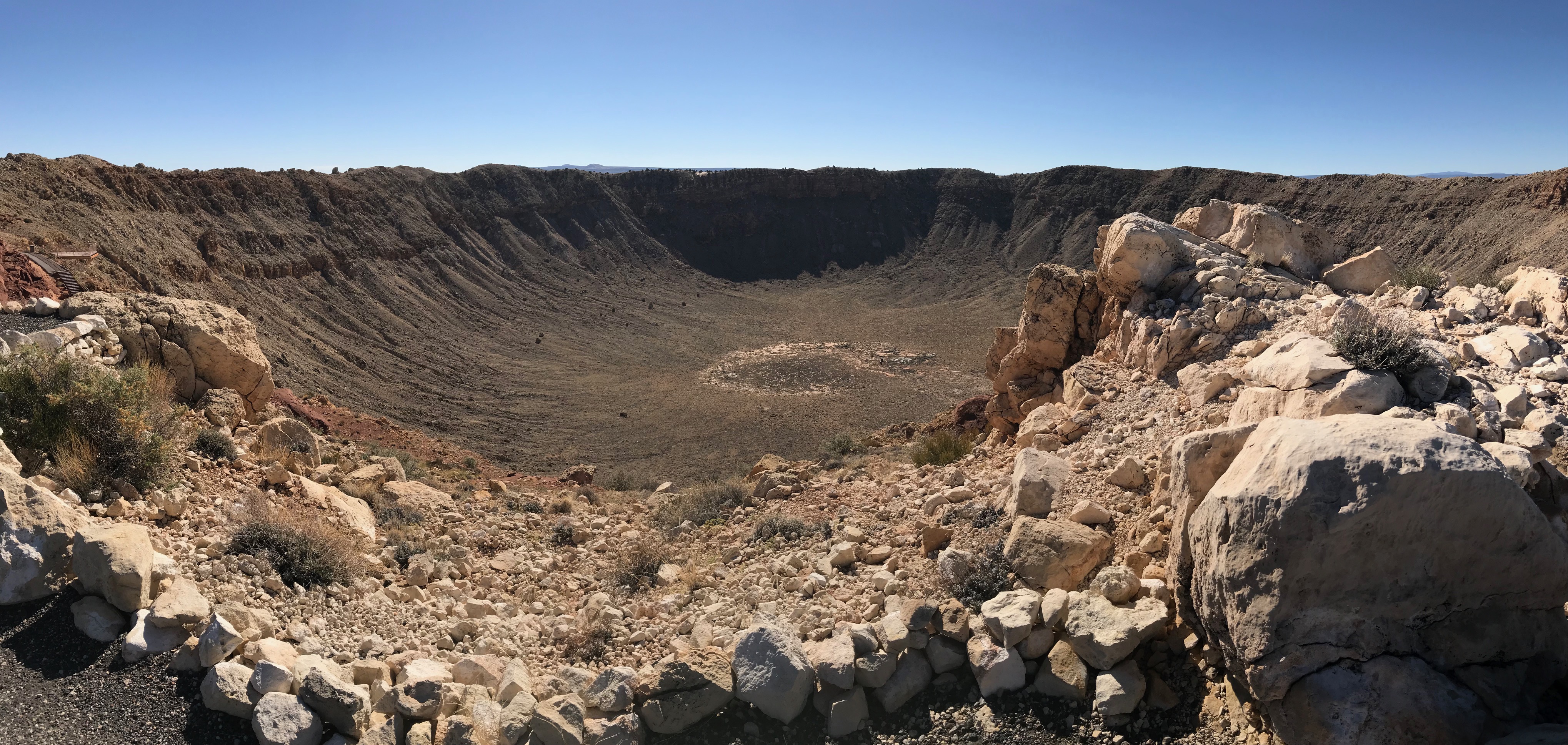
The crater is breathtakingly beautiful and the tour guide explained in great detail about how the meteor came in from a southeastern trajectory and blew this gigantic hole in the earth some 50,000 years ago. The guide had great knowledge of the various rock layers and explained what scientists believe happened immediately after the impact.

IMG_7538

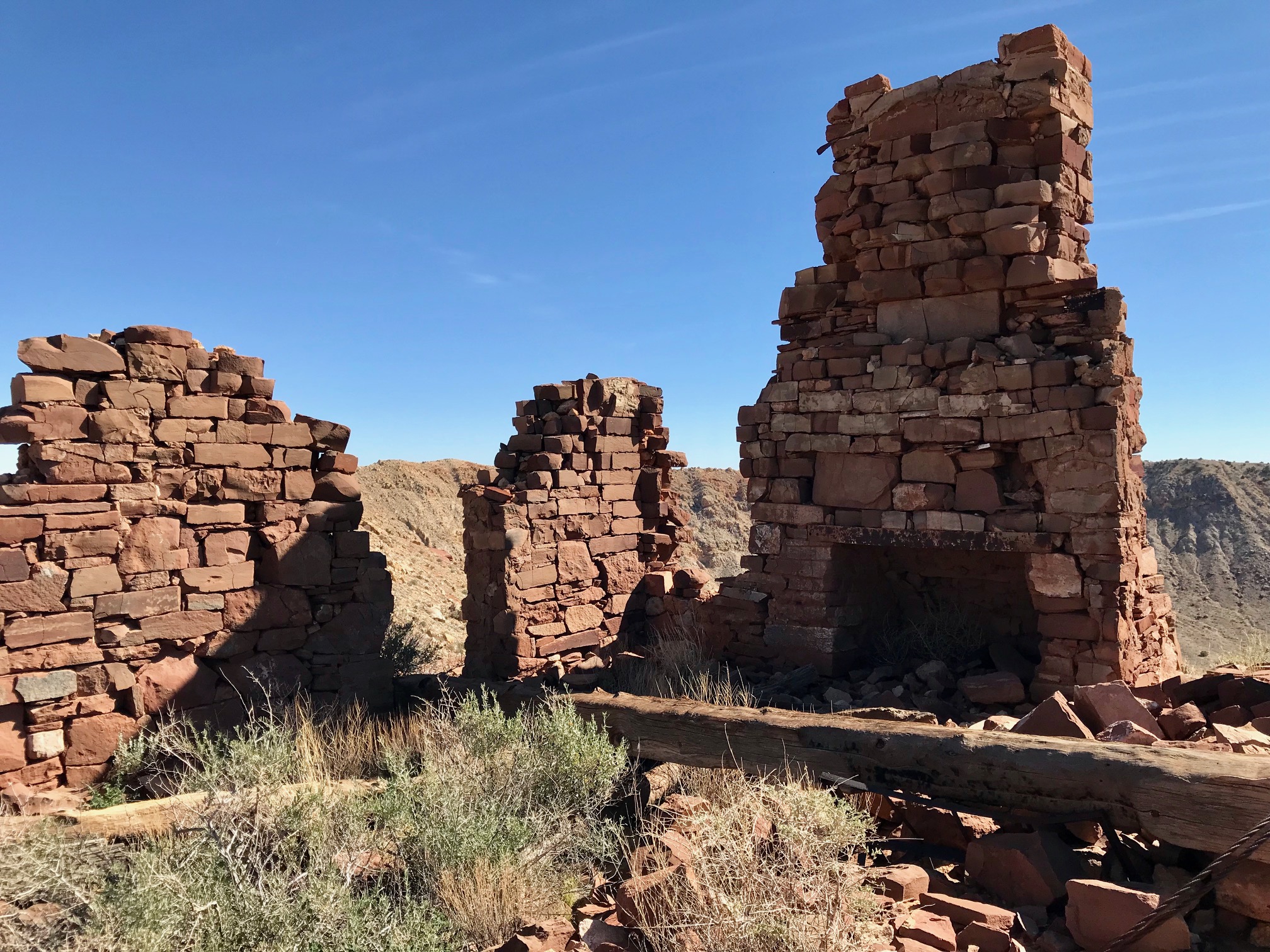
A bit further along the tour are the remains of the first building on the site. This is where the first Barringer woman charged 25-cents to tourists who made there way across the road-less desert. She later had a road constructed to create easier access for the many tourists that flocked to the site after several newspapers and magazines published articles about the meteor crater. Apparently high winds in the area blew the roof off the original structure and the rest of the building eventually crumbled.

IMG_7539

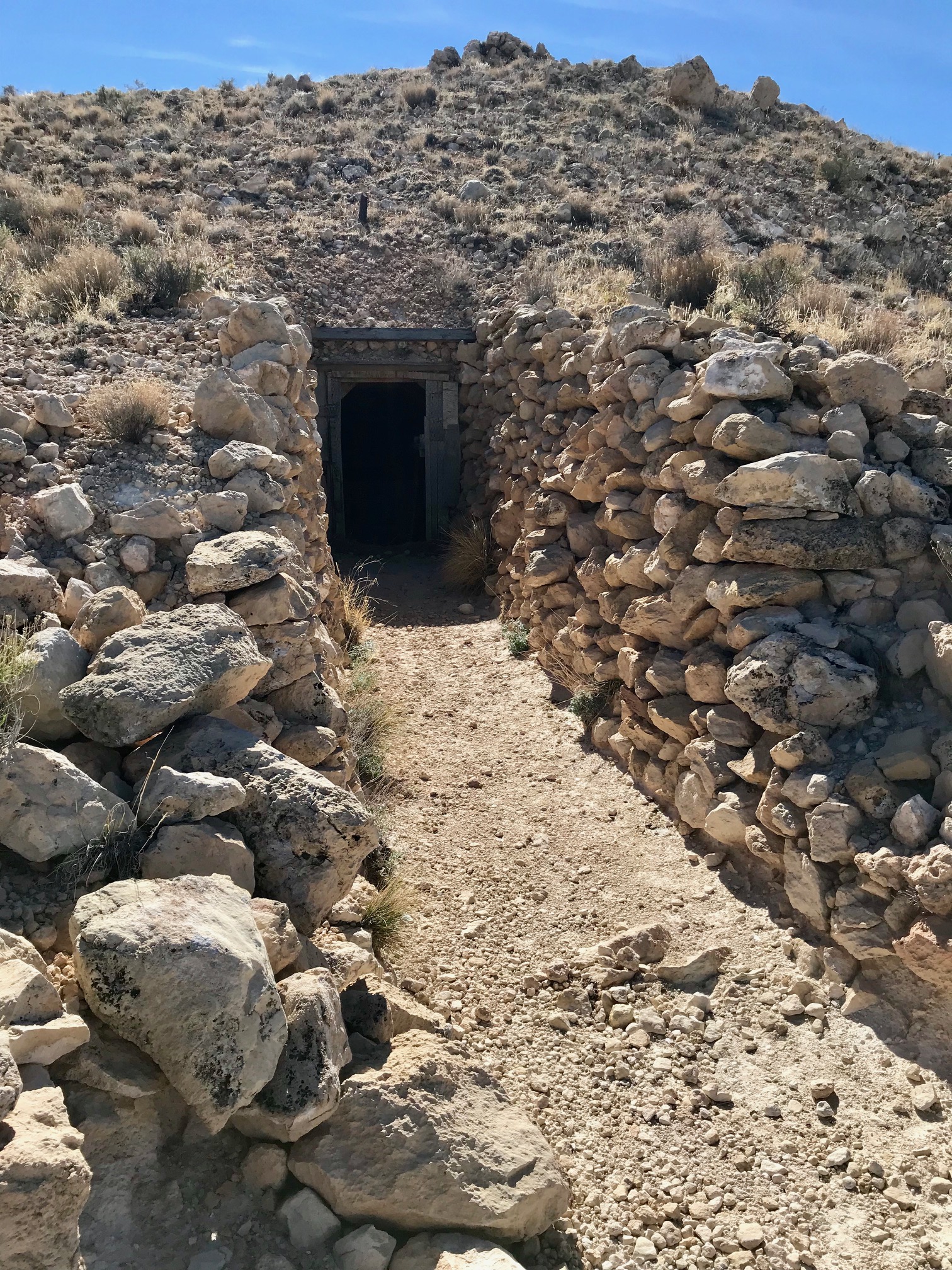
The Barringer family were silver miners and originally bought the land that the crater sat on for its mineral potential. Some mining was done both at the crater’s base and the surrounding area before the family realized the significance of the crater as a scientific find and began preservation efforts. The photo above shows the entrance to a cave where dynamite was stored. It turned out that the meteorites in the debris field northwest of the crater were more valuable than silver.

IMG_7526

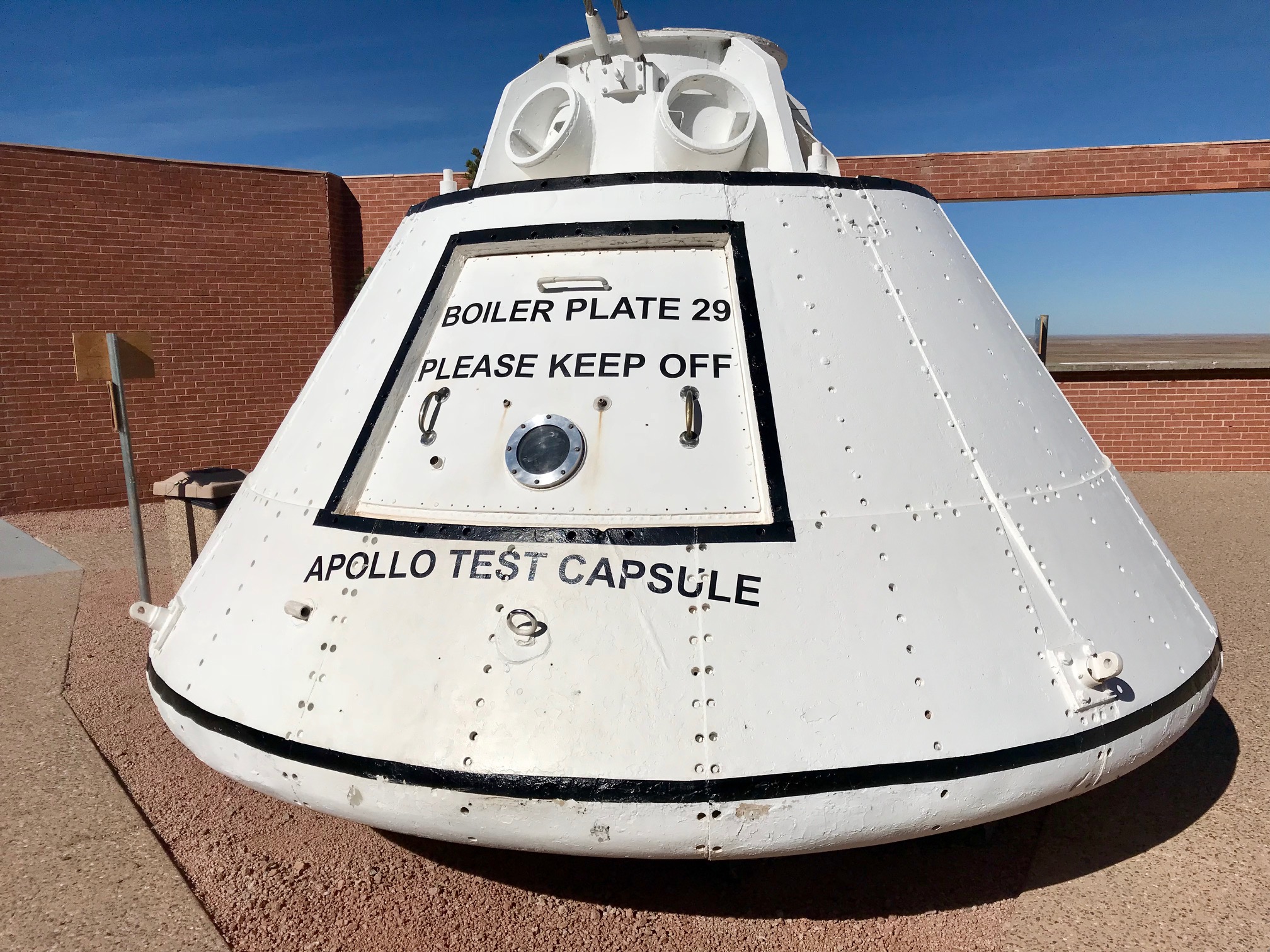
An interesting side note is that in the 1960s the crater was used as a training site for Apollo Astronauts who would eventually land on the moon.  The astronaut training is well-documented in the museum. The gift shop has many astronaut trinkets for sale, too.

IMG_7552

This was a fun place to stop on a day where there was only three hours of drive time planned. I was drawn to the site because of its connection to the Starman movie, but ended up learning a lot of history and the science of a meteor impact. The tour guide informed us that 1984’s Starman was the last movie allowed to film in the crater. Seems the thousand or so extras dressed as military personal for the final scene caused quite a bit of damage. These days only approved scientific research teams are allowed to go down to the impact site.

Travel Day Diary

IMG_E7488

Friday, November 2nd

5:07     I still wake up a little after 5:00 AM most days even though I’m retired. When I worked for the Mayo Clinic, I went in to my office early nearly every day. I found this to be my most productive, uninterrupted time. Perhaps waking up early is a remnant of my working days. It could also be that around that time of morning either the dogs or I need to pee.  Dogs were walked around the campsite until each of them did their thing. I waited and used the inside bathroom.
IMG_E7522

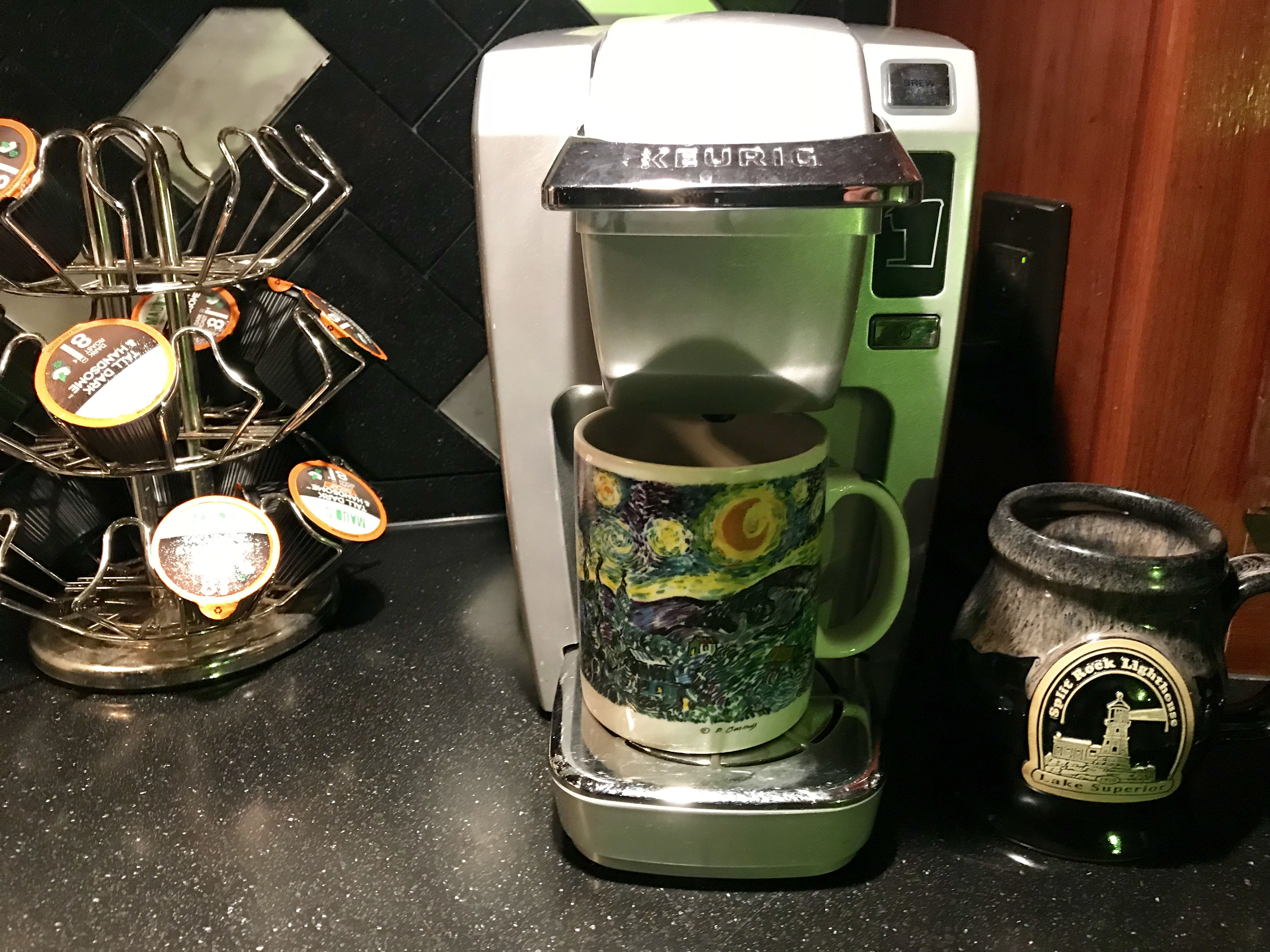
5:25     Coffee is being brewed and I’m warming up some leftover eggplant parmesan for breakfast. While I check my iPad for news stories, all three dogs are staring at me like they want breakfast, too. I cave and give them a few bites of pasta.

6:09     I’m ready for a second cup of coffee and my morning supplements. I no longer take daily prescription medications. Rather, I take a multivitamin, St. John’s Wort, a baby aspirin and zinc. I was on a couple of prescription medications in the past and I feel much better without them.

6:40     I start picking up a few items that need to be secured for travel. There’s the portable printer, the cables that connect my computer to the television for my Slingbox, scraps of mail and several pens. I’m trying to be quiet but I can hear my wife DiAnne moving around the bedroom.

7:51     Di finished her morning coffee and I got caught up on sports news. Damn Vikings can’t seem to capture last season’s magic. What happened to our tough as nails defense? Did last season’s success make them complacent? Vikes looked sloppy last week against New Orleans. They face the Detroit Lions tomorrow and I’ll watch it via my Slingbox. I’ll talk about Slingbox in a future blog. It’s a cool thing for the traveler.

8:12     Di and I begin getting the Itasca SunCruiser ready for travel from Albuquerque, NM to Winslow, AZ. DiAnne takes the inside tasks of safely securing things in their proper place for travel. Bathroom, bedroom and kitchen are the most work. Meanwhile, I slip on a light jacket and head outside. We are connected to a full sewer hookup so we don’t need to drive to a dumping station to empty the two holding tanks. Black water tank (toilets) dumps first; gray water (sinks, showers and laundry) next. One does it in this order to let the cleaner gray water rinse the nasty stuff out of the hose before one has to wind it up and put it away.

Next I disconnect the water inlet hose from the spigot and the motorhome. It’s cold out this morning and the cheap garden hose is so stiff that it won’t wind small enough to put in the storage bin. I drain the water from it and place it in the back of the VW Beetle. I need to pick up or order a better quality hose.

Lastly, the RV electric cord is unplugged from box and stored in the basement. ‘Basement’ is the term many RVers use instead of ‘underneath bins’. Many RVers (myself included) disconnect from the electricity as the final outside task. Vacuuming, drying clothes and making coffee for the road trip are some of the things one wants to do just before leaving the site. I’ve read horror stories where campers forgot to disconnect their electricity and drove away destroying the campsite’s connection box, the RV’s electrical cable or both.

8:39     Just a few more steps before we travel. Start the engine to let it warm and provide power for retracting the three motorized slideouts on the motorhome. There are two separate 12-volt battery systems for the rig. One starts the motorhome engine and supplies power to the chassis; a second deep-cycle system powers the living area (cabin). The slides run off the chassis battery so in order to have sufficient voltage, one should start the engine before retracting the slides.

Once the slides are in, the four leveling jacks need to be retracted. It’s a simple press of the button, but on colder days the hydraulic oil in the leveling system is more viscous so it takes a few extra minutes to retract.
IMG_E7521

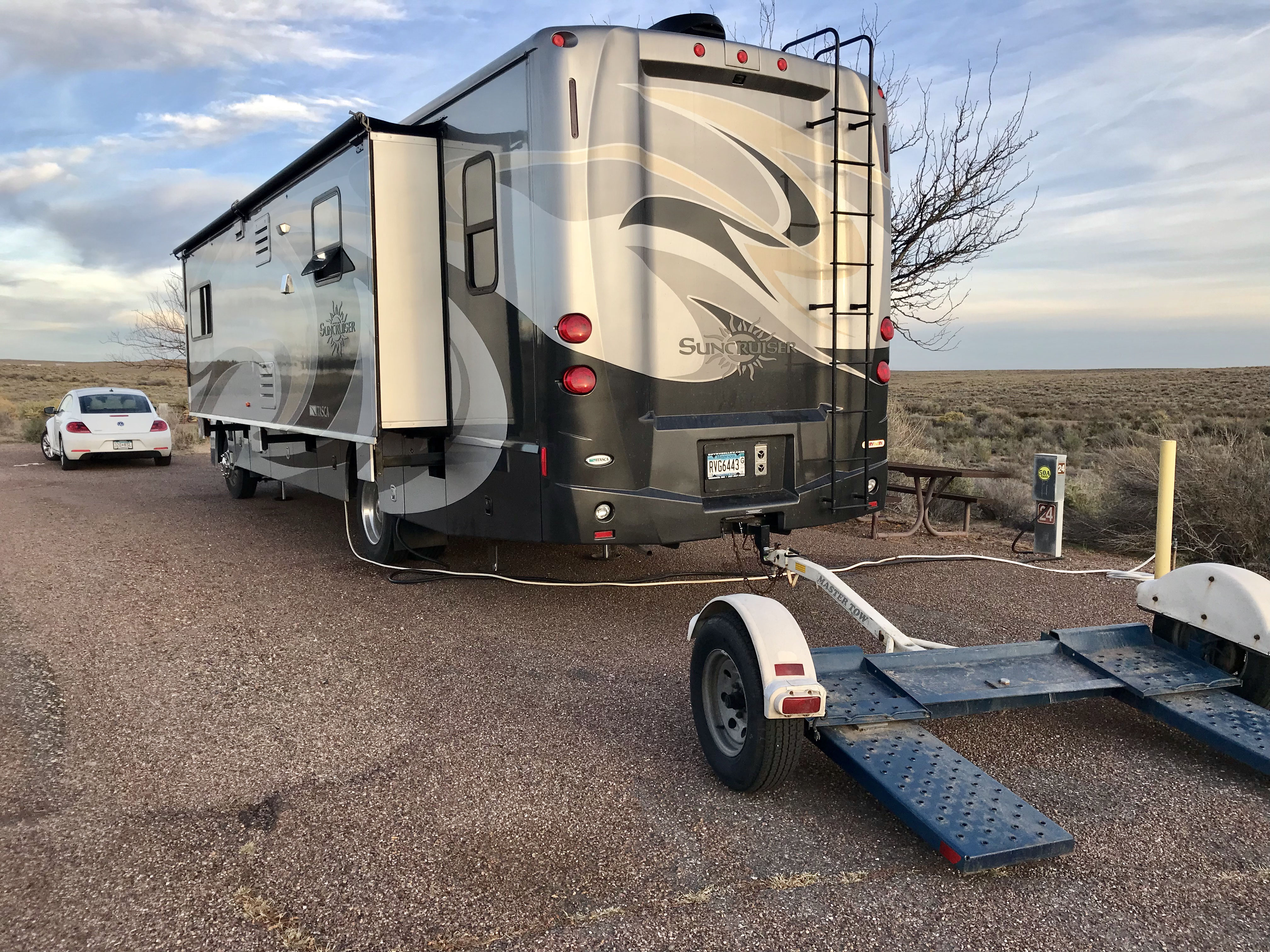
9:05     Di drives the VW Beetle onto the Master Tow Dolly and we work together to strap down the car’s front wheels. We left the dolly attached to the motorhome since we were in a pull-through campsite that was long enough to accommodate the length of the motorhome with the attached dolly. This doesn’t work for back-in sites where the dolly needs to be unhooked and pushed aside.

9:14     I’m behind the wheel as we pull on to I-40 headed west towards Winslow, AZ. The CD player has The Cicadas playing, traffic is heavy and it’s a very windy day.

10:20    The wind is a factor today. When I left Albuquerque, I was driving into a strong headwind. While that’s not good for gas mileage, it’s not terrible to drive in. Later it became a 30+ MPH crosswind beating against the side, trying to push the motorhome out of its lane. Decided to pull in for gas and take a short break. Di took the dogs out and the cabin door was darned near impossible to close in this blustery weather.

While I was pumping gas a fellow from Pittsburgh came over and asked if I was going to continue driving or wait for the wind to die down. He recognized me from the stay at American RV Resort last night. I replied that I planned to continue driving but at a slower pace than the 75 MPH posted speed limit. After filling the tank, I checked and retightened the tie down straps on the VW Beetle before pulling out of the truck stop.
IMG_E7523

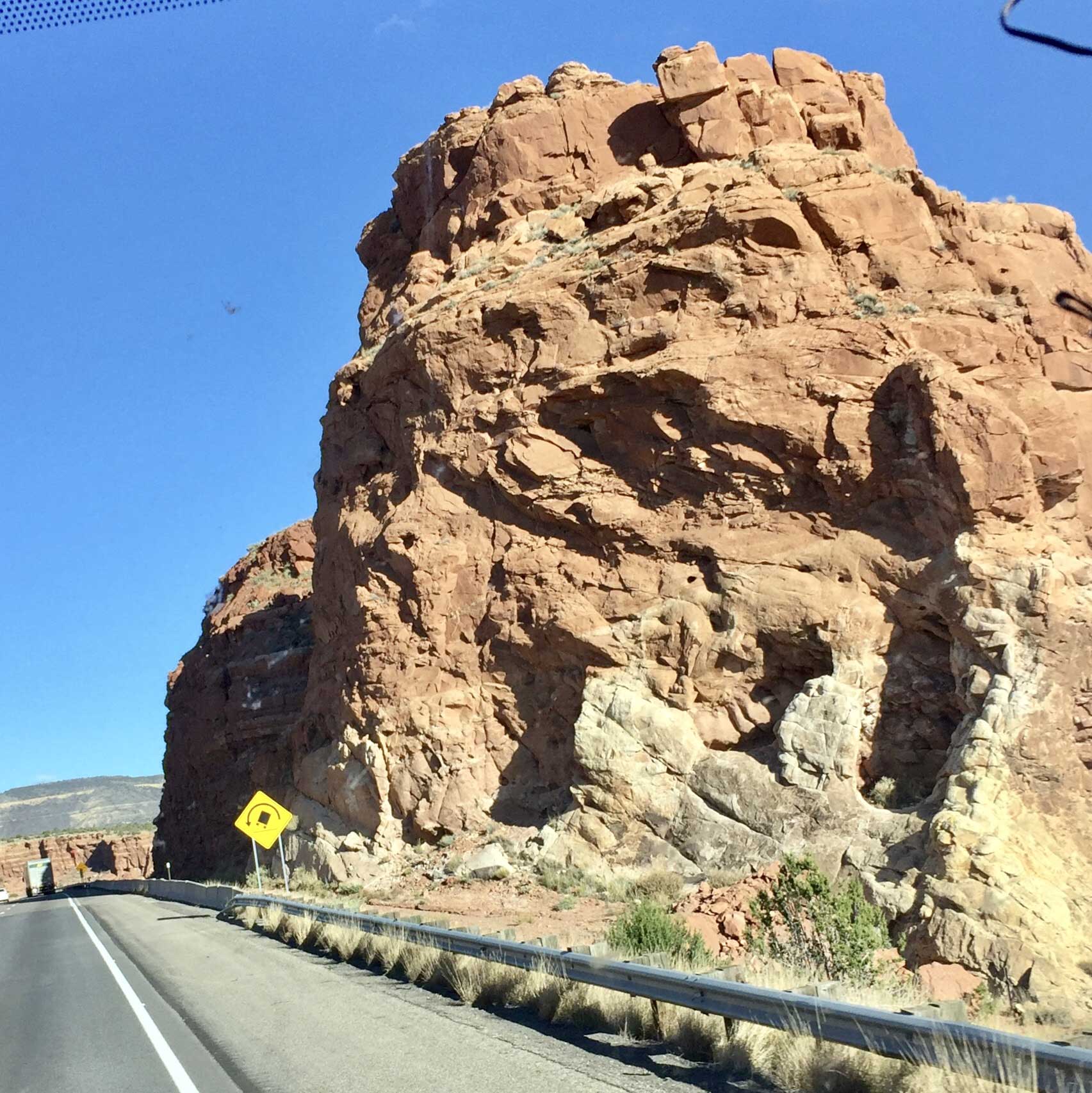
11:32    Pulled into Gallop, NM. The winds have died down and the ride became a bit more pleasant. The sights along I-40 were fantastic and ever-changing. Majestic rock formations, tumbleweed blowing leisurely across the busy highway and views of long abandoned old homesteads every so often sought to pull my attention from the task of driving.

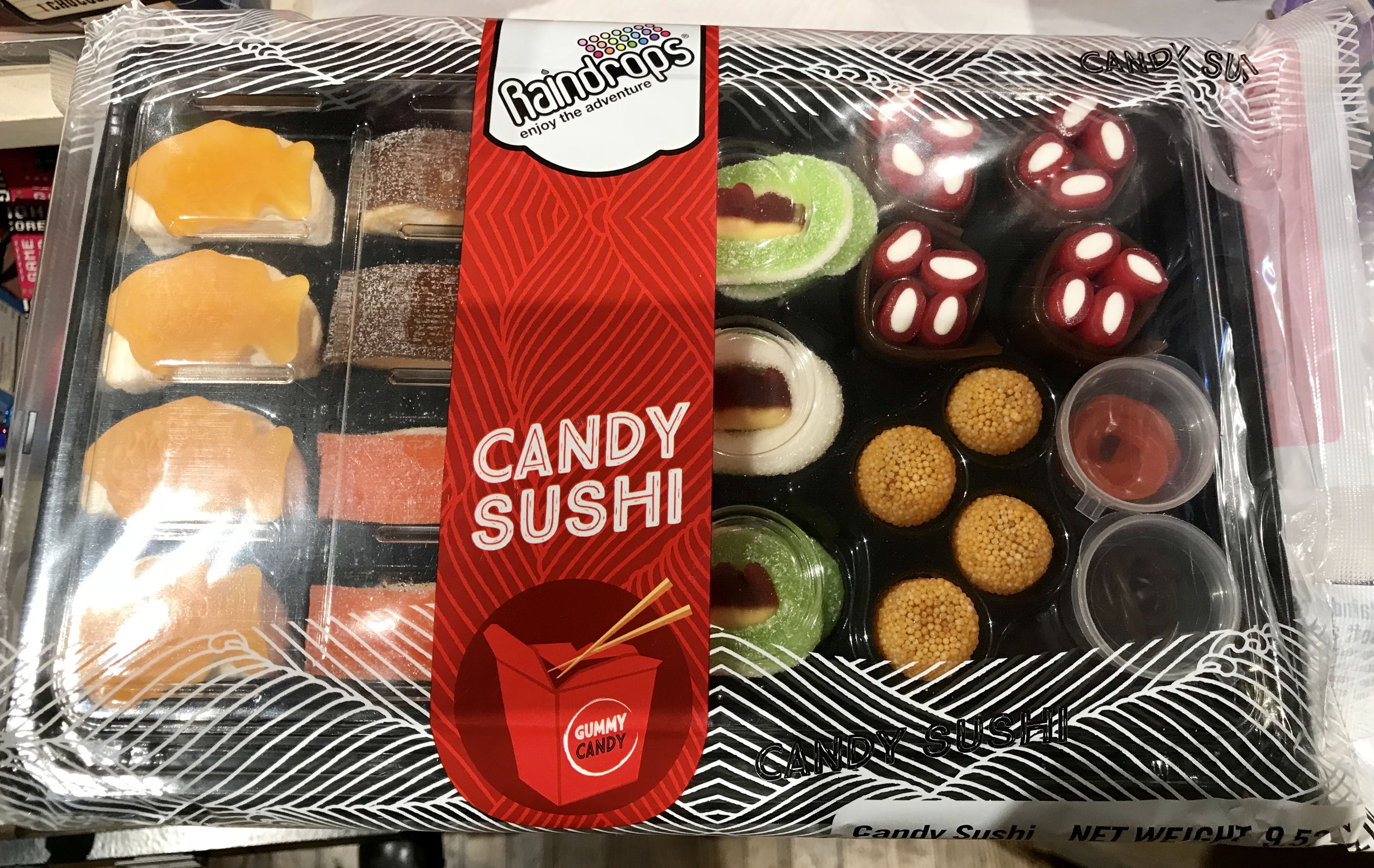
11:37    Lunch break at Cracker Barrel. For the last two years DiAnne’s cousin Marlene sent me a Cracker Barrel give card for my birthday. Cracker Barrel has a large menu and all of their locations have a fun gift store. Thanks, Marlene for the birthday gift! I took plenty of photos in the Cracker Barrel gift store for use in a future blog. There are some really unusual items for sale there!
IMG_E7506

12:58    With lunch finished and trinkets purchased, it was time to hit the road again. This time Di took the wheel and I made myself comfortable in the passenger seat. Minnesota Gopher Football was about to begin so I brought up the game on my iPhone.
geronimo

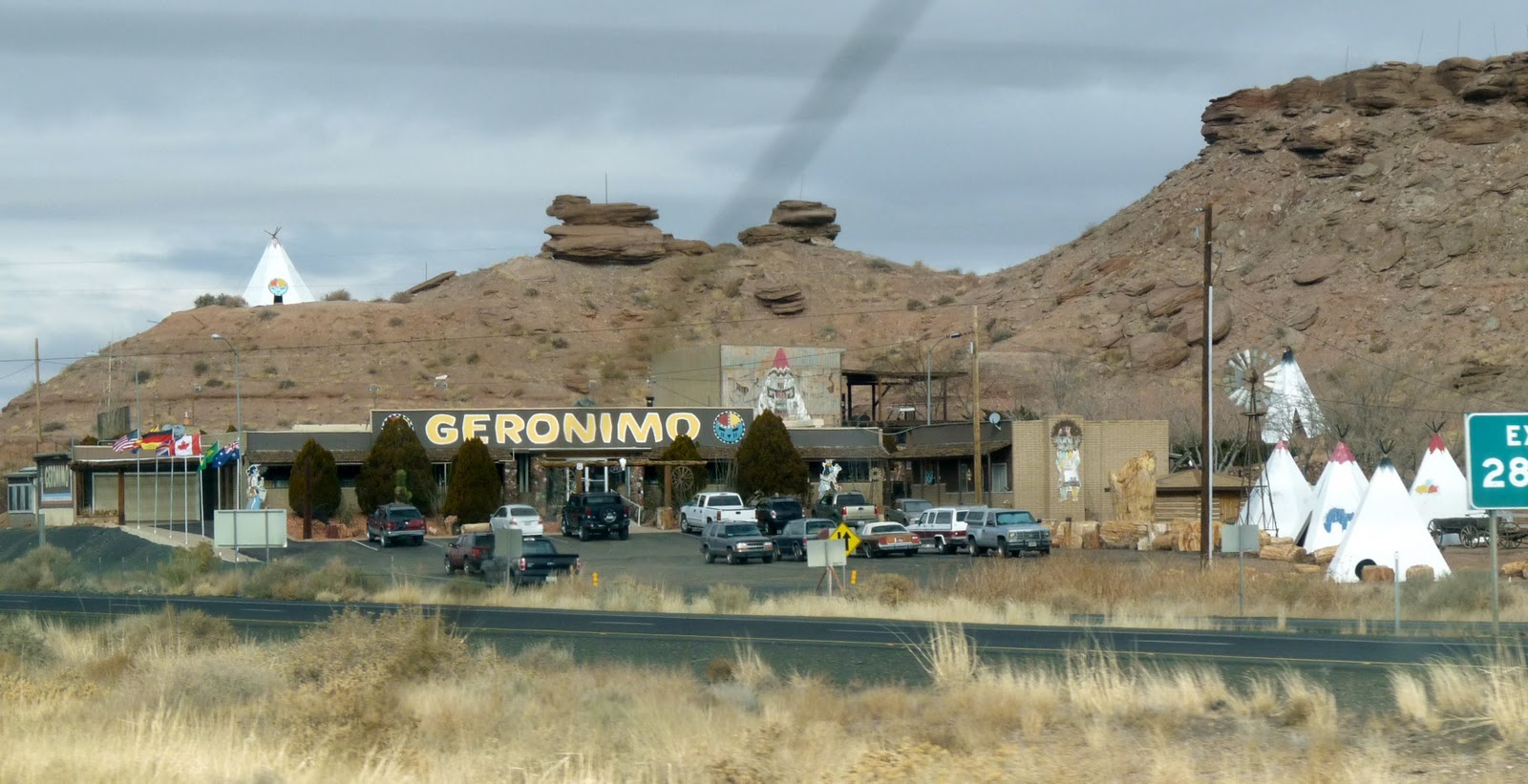
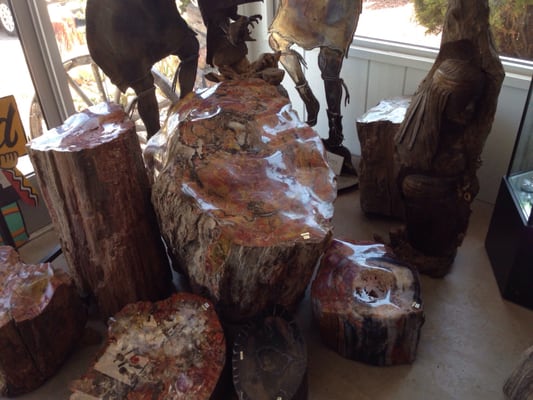
1:40     I’m not really sure of the time. After crossing from New Mexico into Arizona the cell phone clocks automatically adjusted back one hour. Arizona does not bother with Daylight Saving Time. My cell signal was sketchy along this part of the interstate so I gave up on watching Gopher Football. Dogs needed a pit stop and I needed a stretch so after a while we pulled into Geronimo’s Trading Post; a tourist stop near Holbrook, Arizona.  Geronimo’s inventory ranged from $2 key chains to huge $15K pieces of petrified tree trunks that have been polished and turned into decorative pieces. One piece that was carved into a chair weighed 748 pounds. Now there’s a piece of furniture the cats won’t tear up! I got behind the wheel for the final leg of the trip.
rock

2:43     Pulled into Homolovi State Park just outside Winslow, AZ. If you’ve read some of my past articles you’ll already know that I prefer to take my time and enjoy the journey rather than drive all day putting on as many miles as possible. I’m trying hard to take it easy these days, not letting the sound of my own wheels drive me crazy; especially here in Winslow, Arizona. Hey, there could be a song in there!

So now it’s time to set up camp. I reserved another pull-through campsite so I don’t need to unhook the tow dolly. I leave the engine running while putting down the leveling jacks. Next, I push out the slides and turn off the motor. Plug in to the electrical box and hook up a hose to the spigot. This site doesn’t have a sewer connection so I’ll empty the tanks when I leave on Monday before leaving for Lake Pleasant near Phoenix..

Mail & Package Delivery on the Road

IMG_7459

Even if you no longer live in a traditional home, you still need some type of ‘permanent’ address. Motorhomes need to be registered and insured; you’ll want to be registered to vote someplace and some State out there is still going to want the bulk of your income tax dollars. Many full-time RVers choose their legal domicile based on the state’s tax burden. Texas, South Dakota, and Florida are very popular and there are organizations out there who offer services to set someone up as a ‘resident’ of a particular state. My wife DiAnne and I are exploring a land purchase so we may have a permanent Arizona address after the first of the year. For now, Di and I are borrowing one of the kids’ addresses as ours. Di’s daughter, Raechel separates our mail from hers, weeds out the obvious junk, puts what remains in a USPS Priority envelope and mails it to us. But, where?

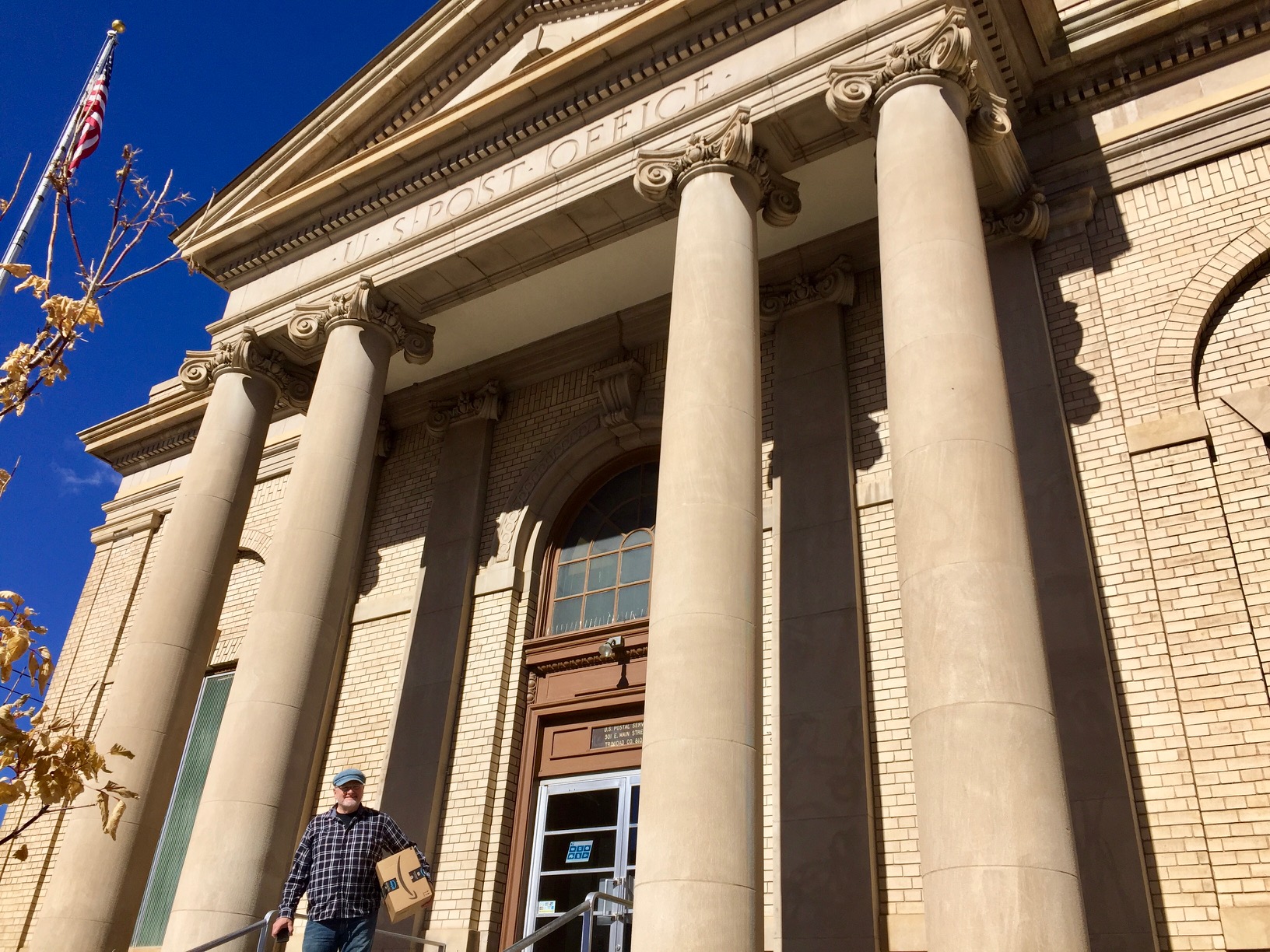
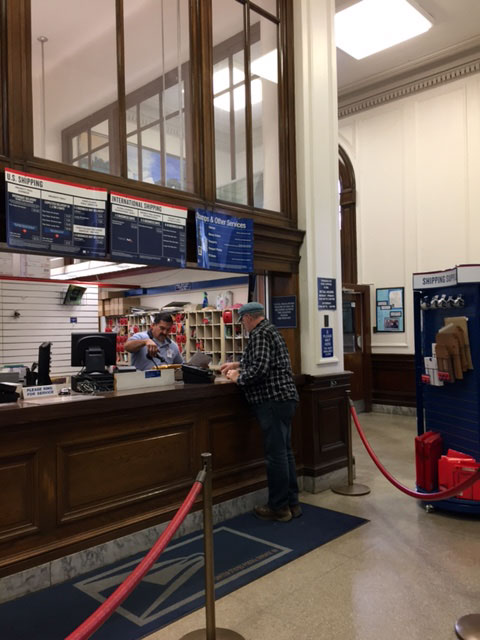
USPS General Delivery service allows persons with a valid ID to pick up held mail for up to 30 days at any Post Office. Di and I knew a couple of weeks in advance that we would be here in Trinidad, CO from October 25th through November 1st so we asked Raechel to send our collected mail to:

David Zill
General Delivery
Trinidad, CO 81082

There are packages, too that you’ll want delivered to you while traveling. In a previous blog I spoke about using Amazon. I’m an Amazon Prime member which entitles me to free, 2-day delivery. Amazon is pretty good about getting packages to you quickly, but you’ll still want to leave a day or two to spare. Delays will happen. The Post Office will hold your packages for you for 30-days, so best to plan ahead and order early. There is one problem, however associated with Amazon. One can not explicitly specify the delivery method during Amazon’s check out process and if your order (or a part of your order) gets shipped via FedEx or USPS as the carrier that package will not be able to be delivered via ‘General Delivery. There is however a workaround by including ‘P.O. Box’ in Amazon’s first address line like this:

David Zill
P.O. Box
General Delivery
Trinidad, CO 81082

Amazon’s automated system doesn’t seem to understand ‘General Delivery’ but it does recognize the phrase ‘P.O. Box’ and flags any items in your order that can’t be delivered to a USPS Post Office.

King_Jack_Antenna

I put together an Amazon order last week that included an under-sink water filter replacement cartridge, a replacement AM/FM antenna and a King Jack HDTV over-the-air RV antenna. All of the items were in the Amazon shopping cart, but when I went to check out, the Amazon system flagged the King Jack antenna as being unable to ship to the address I provided (a P.O. Box). I removed the TV antenna from the cart, checked the estimated delivery dates of the remaining items and completed the order.

But I still wanted the TV antenna. There are a few options to get things that can’t go to the post office. If one knows the shipper (FedEx or UPS) you can arrange to have it sent to one of their retail shipping stores. But remember, Amazon does not allow you to choose a shipper. Some bloggers on this topic suggest shipping directly to the campground’s address. That might work but you’d want to check with the campground first. You’ll also need a plan if you leave the campground before the item arrives.  I chose instead to shop for my TV antenna at a different online retail giant.

Walmart.com doesn’t yet have the vast inventory of items that Amazon carries, but they have a huge network of pickup locations around the country in their brick-and-mortar retail stores. I ordered the King Jack HDTV from them and it should be in the Trinidad, Colorado Walmart store before DiAnne and I leave the area. If for some reason the parcel gets delayed I can simply cancel the order or redirect it to another Walmart location.

Amazon and Walmart.com are fantastic resources for the traveler. Amazon’s prices are typically a bit lower than Walmart.com, but that wasn’t the case with the HDTV antenna. Walmart’s price was a tad lower. By the way, If you haven’t signed up for Amazon Prime (about $100 annually), I’d recommend it. The free 2-day shipping is great for life on the road. Additionally, Amazon Prime comes with a boat load of free online movies, videos, TV programming and Kindle books. In fact, there was so much good TV/video content that I cancelled my Netflix subscription (about $110 annually).

IMG_559

So far, so good! Last Friday I received the first of the general delivery orders; the 100 count box of Maude’s Tall, Dark and Handsome Coffee Pods for the Keurig coffee maker. Today I received a screen door handle for the motorhome and one other item that I ordered from Amazon. Tomorrow (Tuesday), I should receive the remaining Amazon items and the mail package from Raechel. Wednesday, Walmart should have my TV antenna ready for pickup. Wish me luck; I leave this campground on Thursday!

Wood Flame Grilled Thick Pork Chop Recipe

IMG_7416

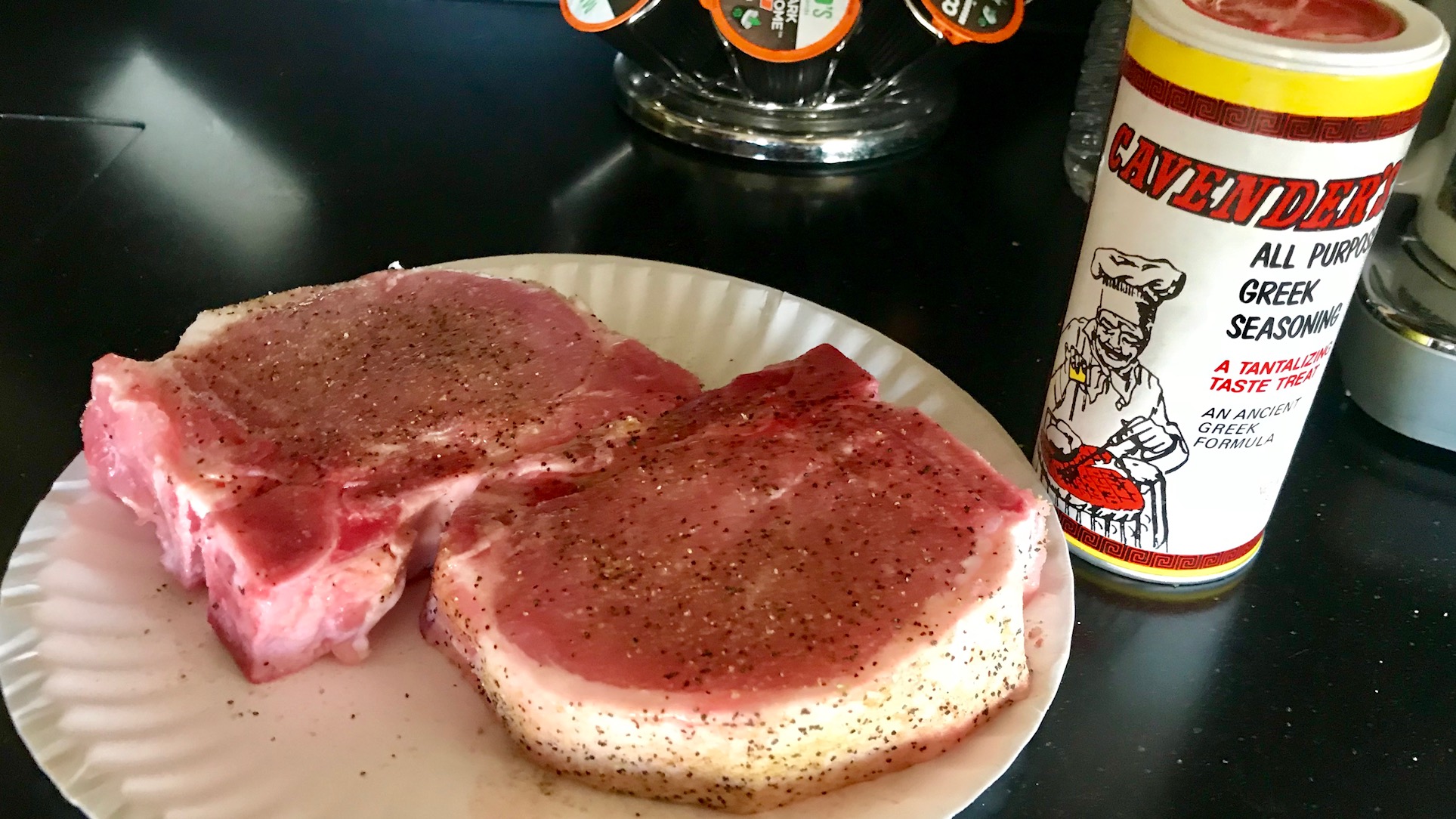
Cooking over a wood fire is my favorite way to get great tasting meat. Start with a thick-cut pork chop. It’s darned near impossible to cook thin cuts of meat over a wood fire without over-or-under cooking them. Buy thick cuts and enjoy the leftovers. My thick pork chops this time came from HyVee, an Iowa-based grocery chain know for quality meat.

IMG_7412

The most important step in prepping your chops is to let them come to room temperature before applying heat. Don’t skip this step and expect the chops to come out right. Give it at least an hour. This is a good time to season the meat. I use Cavender’s Greek Seasoning and if that’s not available I simply rely on garlic salt and fresh ground pepper. I’ve tried other Greek seasonings and have never had the same great flavor that I get with Cavender’s. Season the chops liberally with the Cavender’s; if you’re using garlic salt instead, don’t be as generous. I’ve found that pork picks up and retains more salt taste than other types of meat.

giphy

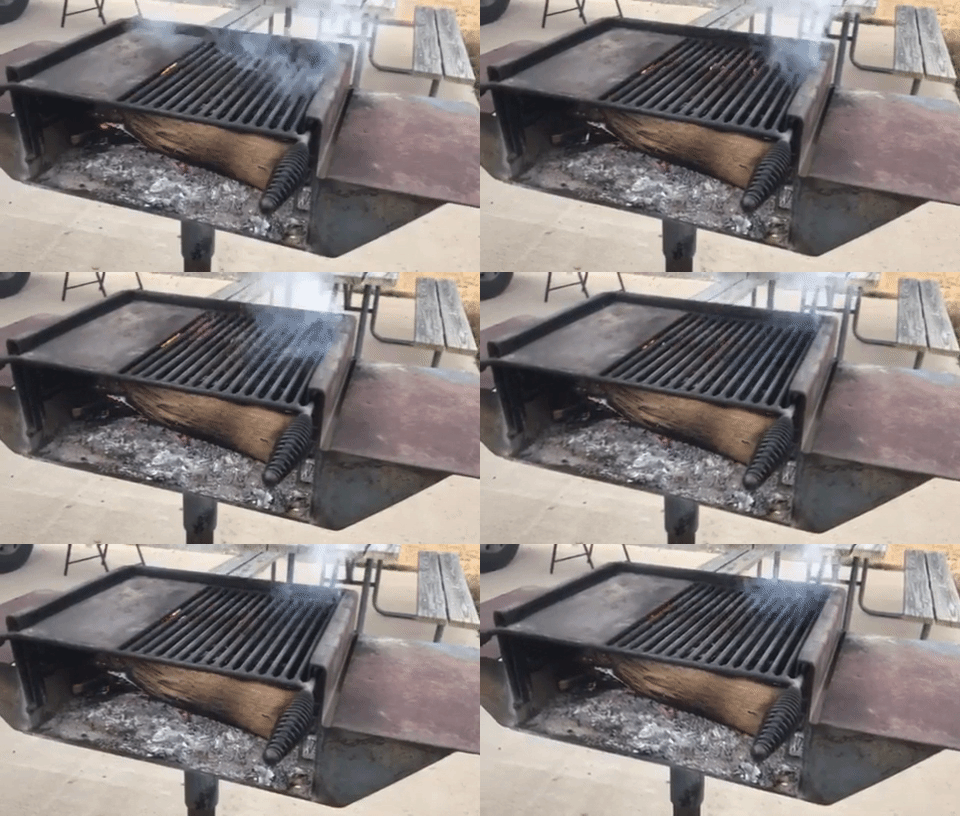
I had a bundle of mixed wood with me that had some Oak, Mulberry and Osage pieces. I sharpened my hatchet and split the wood into smaller pieces in order to fit inside the adjustable height grill at the campsite. I let the wood burn for a while to get a good base of hot coals before applying any food. If you use paper, fatwood or lighter fluid to help your fire get started, make certain it is completely burned off before putting food on the grill. I had a light wind blowing and the open end of the grill rotated toward it so it was easy to keep the fire hot.

PotatoPack

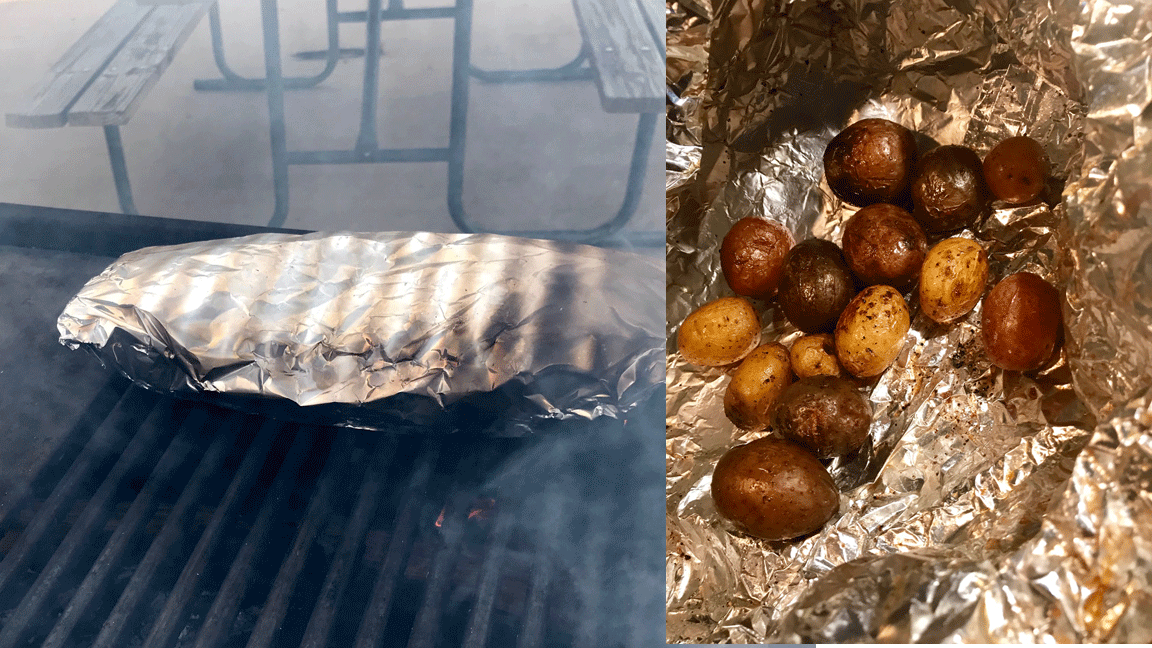
While I was getting the fire going, my wife DiAnne put together a potato-pack using a couple of different varieties of baby potatoes from The Little Potato Company. These small bags of potatoes are pre-washed, ready to cook and easy to carry along in the motorhome. Di precooked about 2-cups of these in the microwave for 6-minutes then wrapped them in foil with some olive oil, salt and fresh-ground pepper. Even precooked and wrapped in foil, these potatoes picked up the smoky goodness from the wood fire.

IMG_7415

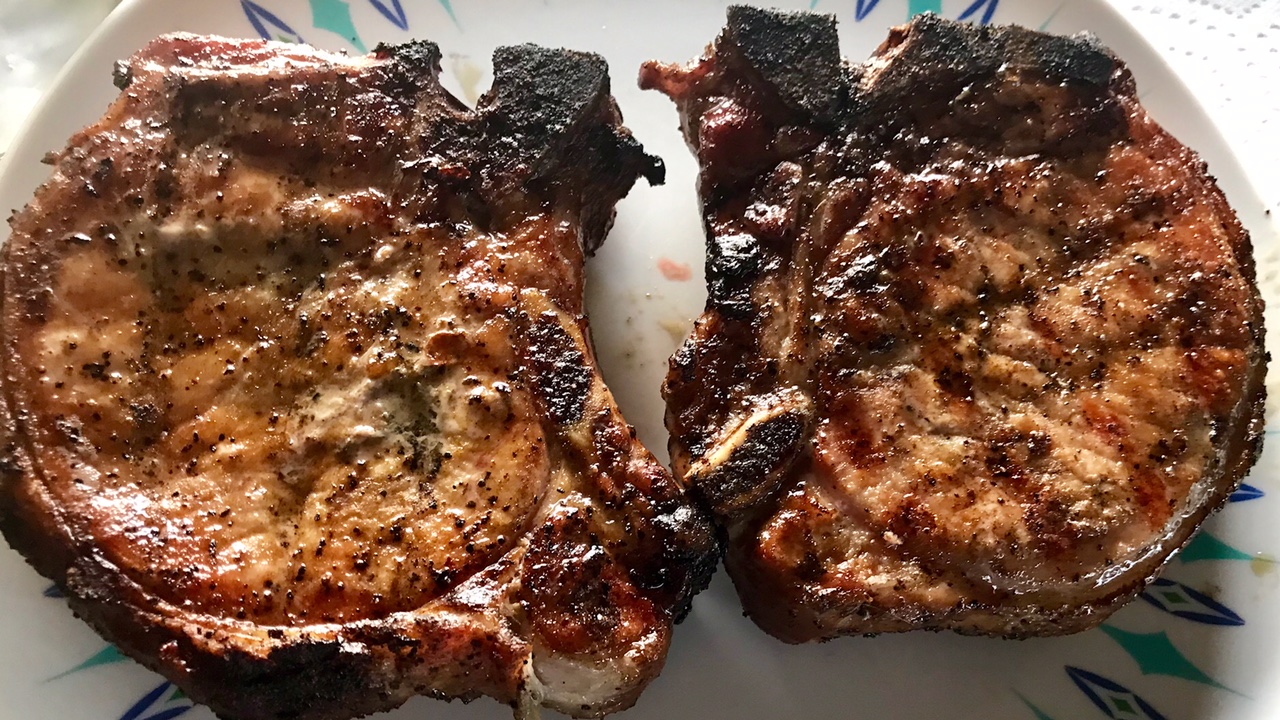
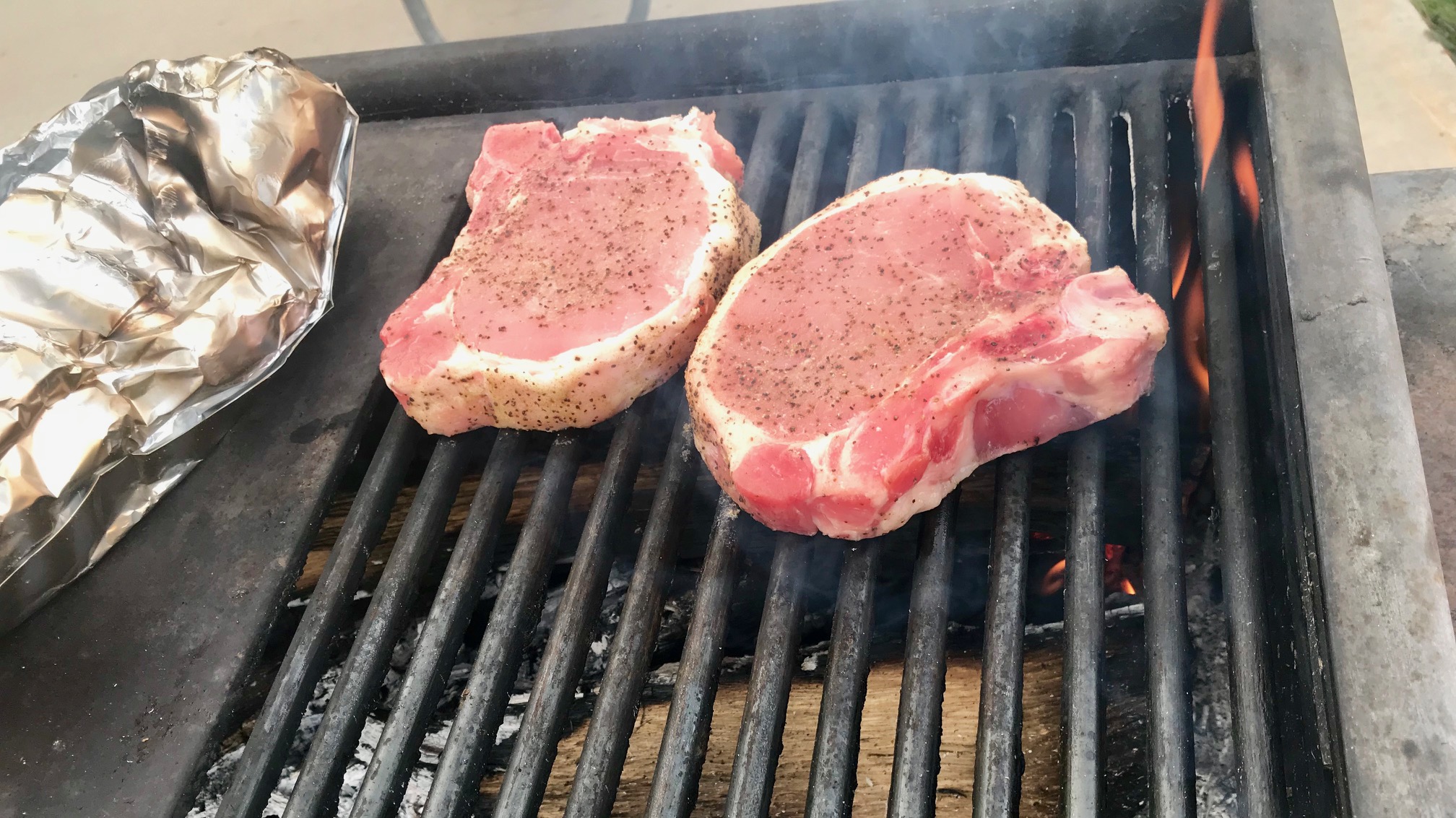
After several minutes on each side, I moved the potato-pack to a cooler part of the grill, added a couple of small pieces of wood to keep the fire hot and placed the pork chops directly over the heat. Here’s how I cook & turn the chops:

  1. Place chops on grill and cook 3 minutes.
  2. Turn chops and swap positions. Cook 3 minutes.
  3. Turn chops, rotate meat 90⁰ for cool grill marks and swap positions. Cook 3 minutes.
  4. Turn chops, rotate meat 90⁰ for cool grill marks and swap positions. Cook 3 minutes.
  5. Place fat side down (chops will be on end leaning against each other) to crisp up the fat for a minute or so.
  6. Plate the meat and let sit for 5 minutes before cutting.


Here are a few tips. When you rotate the chops, try to keep the thickest part of the bone near the hottest part of the fire. This will ensure the meat nearest the bone cooks adequately. Also remember that wood does not distribute heat as evenly as charcoal so parts of the grill top will be hotter than other areas. Embrace that and use it to your advantage. Raise the meat from the flame when fat starts dripping and flaring up. Lower the grill top if you don’t hear your chops sizzling.

While the recipe is simple, wood fire grilling does require a little more diligence than charcoal or gas-fired methods. I think the smoky richness the food picks up, however, is well worth it. Last year when I was buying firewood from the Arizona and New Mexico State Parks, much of the wood was Mesquite and really gave a great flavor to the cooking. I’ll be back in those places in just a few weeks!